The planetary gear motor market is evolving rapidly. By 2026, global buyers will see significant trends shaping their decisions. According to the latest industry reports, the planetary gear motor segment is expected to grow at a CAGR of over 8% from 2023 to 2026. This growth is driven by demands for efficiency and compact solutions across various applications.
Planetary gear motors deliver high torque in a compact structure. They are widely used in robotics, automation, and electric vehicles. As industries push for innovation, the reliability of these motors becomes critical. However, there are concerns regarding quality control across manufacturers. Not all suppliers meet the same standards, which can affect performance.
Analyzing trends reveals an emphasis on customization and energy efficiency. Many buyers are seeking tailored solutions that fit specific needs. Yet, the shift toward smart technologies introduces complexities. The right balance between traditional designs and new innovations remains a challenge for many in the field. Users must be cautious in selecting reputable suppliers to ensure performance and durability.
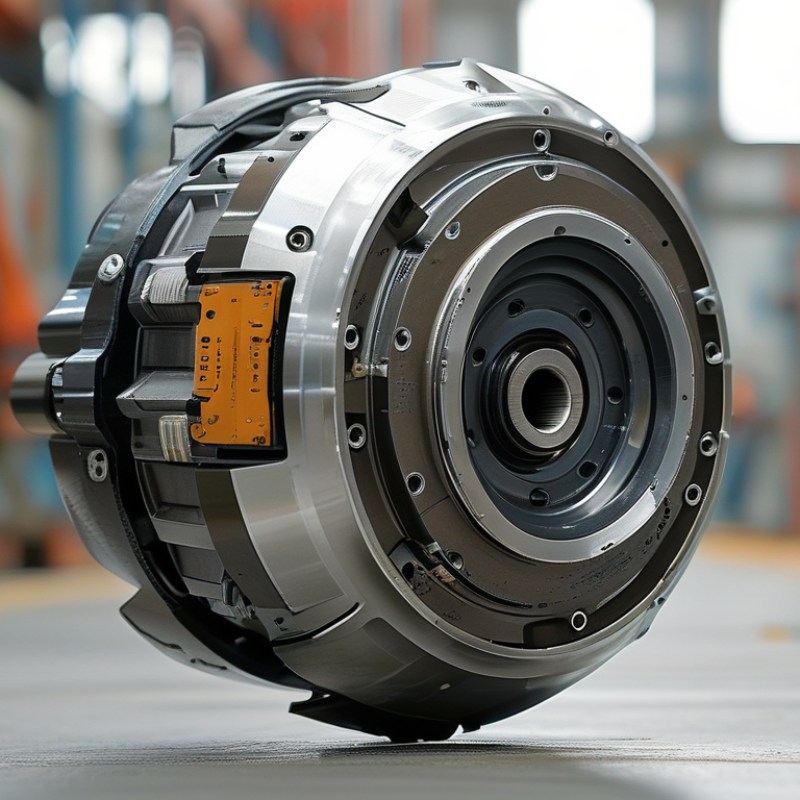
The planetary gear motor market is evolving rapidly. In 2026, buyers will find key innovations that enhance performance and efficiency. One significant trend is the integration of smart technologies. These motors will feature sensors that provide real-time data. This data helps in predictive maintenance, reducing downtime.
Another innovation involves the materials used in motor construction. Lightweight and durable materials are being developed. These materials improve efficiency without compromising strength. The result is motors that are smaller yet more powerful. However, transitioning to these new materials can be challenging. Manufacturers must ensure reliability and performance under various conditions.
Sustainability also plays a crucial role in upcoming trends. More producers are focusing on eco-friendly designs and manufacturing processes. While these innovations are promising, they require careful implementation. Balancing performance with environmental impact presents ongoing challenges. It’s essential for companies to invest in research and development. This way, they can keep up with both technological advancements and market demands.
The rise of Industry 4.0 is reshaping the design landscape of planetary gear motors. Enhanced automation, data analytics, and connectivity are key elements driving innovation. Manufacturers are now focusing on integrating smart technologies into gear motor designs. This shift leads to improved efficiency and performance.
Digital twins and predictive maintenance are gaining traction. These technologies allow engineers to simulate and analyze gear systems before production. Such an approach minimizes errors and reduces costs. However, the complexity of integrating these technologies poses new challenges. Not all designs are compatible with every system, which can lead to inefficiencies.
Moreover, the emphasis on sustainability is becoming vital. Eco-friendly materials and energy-efficient designs are in demand. Yet, this focus can compromise some traditional performance metrics. Balancing sustainability with performance remains a hurdle. Manufacturers must adapt their designs while maintaining reliability. Such reflection is essential for future advancements in the sector.
In recent years, sustainability has become a crucial factor in gear motor production. Manufacturers are increasingly focused on eco-friendly practices. This shift is not just about compliance; it's driven by consumer demand. Buyers are more aware of their choices. They prefer products that minimize harm to the planet. This growing awareness is reshaping industry standards.
Many companies are adopting greener materials. For instance, biodegradable lubricants and recycled metals are now more common. Yet, the transition can be challenging. High-performing alternatives are often scarce or costly. Manufacturers must balance performance with sustainability. This can lead to difficult decisions.
Additionally, energy efficiency is increasingly prioritized. More efficient motors conserve energy and reduce emissions. Changing production methods to incorporate renewable energy sources is a slow process. Not all facilities can afford the transition. This reflects the ongoing struggle within the industry. Despite the challenges, progress is vital for a sustainable future in gear motor production.
| Trend | Description | Impact on Sustainability | Adoption Rate (%) |
|---|---|---|---|
| Eco-Friendly Materials | Utilization of recycled and bio-based materials in gear motor production. | Reduces carbon footprint and promotes resource conservation. | 75% |
| Energy Efficiency | Design improvements leading to lower energy consumption during operation. | Significantly lowers energy costs and minimizes environmental impact. | 85% |
| Modular Design | Gear motors designed for easy upgrades and repairs. | Increases product longevity and reduces waste. | 65% |
| Smart Integration | Incorporation of IoT technology for real-time monitoring. | Enhances efficiency and reduces unnecessary operations. | 60% |
| Recyclable Components | Use of components that can be recycled at the end of product life. | Promotes a circular economy in manufacturing. | 70% |
The global demand for planetary gear motors is witnessing shifts across various sectors. Industries such as automation, robotics, and electric vehicles are driving this trend. These motors are preferred for their precision and compact design. Their ability to effectively transmit torque in tight spaces makes them ideal for modern machinery.
In construction and agriculture, the need for robust and efficient motors is increasing. Gear motors offer reliability under heavy loads, which is crucial in these sectors. However, some manufacturers face challenges with supply chain disruptions. This has led to fluctuating prices and impacts on timely delivery. Buyers must contemplate these factors when sourcing components.
The rise in renewable energy technologies also contributes to the demand. Wind turbines and solar tracking systems are now incorporating planetary gear motors. Yet, not all players have adapted quickly. Organizations must evaluate their readiness to meet these evolving needs. Continuous market analysis is essential for staying competitive in a dynamic environment.
The landscape of planetary gear motors is evolving rapidly. Emerging technologies are driving this evolution, particularly in automation and robotics sectors. A recent report from Research and Markets indicates that the global planetary gear motor market is expected to grow at a CAGR of over 6% from 2023 to 2030. This growth reflects the increasing demand for high-efficiency motors in various applications.
New materials play a crucial role in enhancing motor performance. For instance, advancements in composites and metals improve the weight-to-strength ratio in gear design. This change allows for more compact motor solutions without sacrificing power output. Additionally, digital twin technology is gaining traction. It enables manufacturers to simulate motor performance under different conditions, improving reliability and operational efficiency.
However, challenges remain within the industry. A lack of standardization can lead to compatibility issues. This can hinder the integration of new technologies into existing systems. Moreover, developing skills and knowledge within the workforce is essential to fully leverage these advancements. As technology continues to shape the future of planetary gear motors, staying abreast of these trends and barriers is vital for global buyers.
: Innovations include smart technologies, sensors, and lightweight materials for better performance and efficiency.
Smart technologies provide real-time data for predictive maintenance, reducing downtime and enhancing overall efficiency.
They meet consumer demand for sustainable products and help minimize environmental impacts during production.
High-performing alternatives may be scarce or costly, leading to tough decisions about performance versus sustainability.
Manufacturers are focusing on more efficient motors that conserve energy and reduce emissions, reflecting industry trends.
Automation, robotics, electric vehicles, construction, and agriculture are key sectors demanding precision and reliability.
Supply chain disruptions can lead to fluctuating prices and delays in acquiring necessary components.
Wind turbines and solar tracking systems increasingly incorporate planetary gear motors for their compact design and efficiency.
Balancing performance with sustainability involves difficult decisions and ongoing challenges for manufacturers.
Continuous market analysis is vital to adapt to evolving demands and technological changes in the industry.
The 2026 market for Planetary Gear Motors is set to be influenced by several key trends that cater to the evolving needs of various industries. Notable innovations in design will focus on enhanced efficiency and performance, driven by the advancements of Industry 4.0. This new industrial paradigm encourages the integration of smart technologies, which will likely transform the functionality and manufacturing processes of Planetary Gear Motors.
Additionally, sustainability will play a crucial role, with eco-friendly practices gaining traction in production methods. Understanding global demand patterns across different sectors will also be essential as industries continue to seek reliable and efficient power transmission solutions. Lastly, emerging technologies are expected to shape the future landscape of Planetary Gear Motors, paving the way for more sophisticated applications and increased competitiveness in the market.

KINOV Motor