In today's world, enhancing security has become a pressing concern. A reliable motor for lock systems plays a vital role in safeguarding properties. According to recent reports from the International Security Industry Association, nearly 60% of burglaries occur through forced entry. This alarming statistic underscores the importance of choosing the right locking mechanisms, including the motors that drive them.
Selecting an optimal motor for lock systems can significantly improve security. Many industry leaders recommend investing in high-quality motors that are designed for durability and reliability. These motors should be capable of withstanding various environmental conditions. However, not all options are created equal. Some motors may lack the necessary power or resilience, leading to potential vulnerabilities.
Security experts emphasize the need for regular assessments of locking mechanisms. A motor that worked well yesterday might not meet today's standards. Users must remain vigilant, exploring new innovations and technologies in lock motors. This approach helps ensure robust security measures are in place. Selective motor choices can fortify both residential and commercial properties, minimizing risks associated with break-ins.
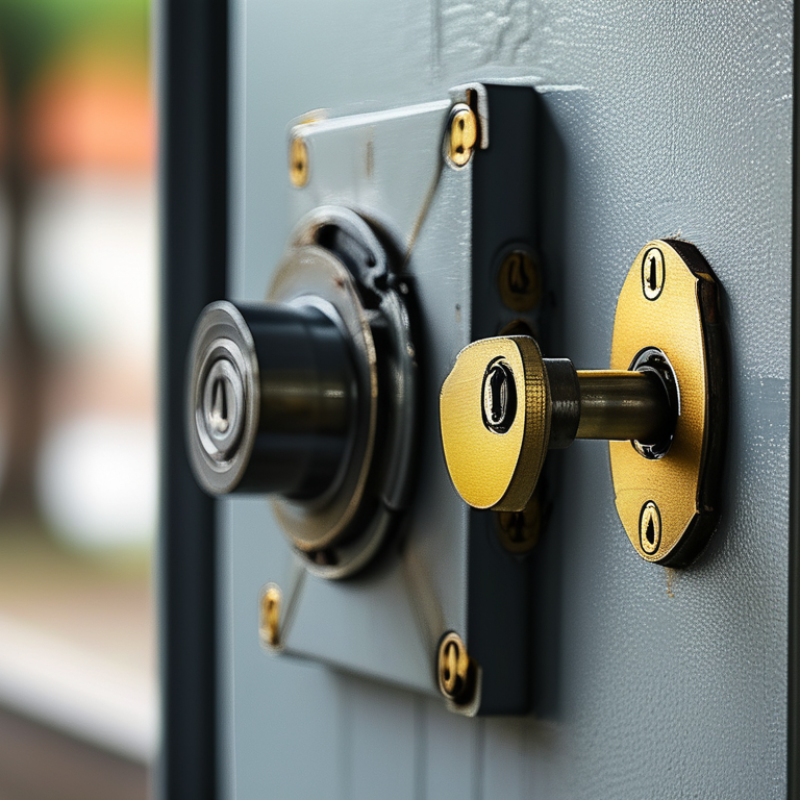
Lock systems are increasingly vital for securing homes and businesses. Motors are the heart of these systems, driving the mechanics behind locks. A reliable motor enhances lock performance, ensuring doors close and secure properly. When a motor fails, the entire locking mechanism can be compromised. This highlight the importance of choosing the right motor for the lock system.
Various types of motors are used in locking mechanisms, including solenoid and electric motors. Each type has unique features that impact reliability and security. For instance, solenoid motors are compact and responsive, while electric motors offer more power and control. Selecting a motor that aligns with specific security needs is crucial. However, evaluating these options can be challenging, and many overlook minor details that could affect overall performance.
Regular maintenance is necessary to ensure the longevity of lock system motors. Dust and wear can lead to malfunctions, so periodic checks are essential. Often, users underestimate the impact of these factors. Upgrading to newer motor technologies can also provide enhanced security features. While it requires an investment, the benefits of improved functionality and security are undeniable.
| Motor Type | Operating Voltage | Torque Rating | Speed (RPM) | Key Features |
|---|---|---|---|---|
| DC Gear Motor | 12V | 30 kg.cm | 60 | High torque, compact design |
| Stepper Motor | 24V | 20 kg.cm | 120 | Precise positioning, reliable |
| Servo Motor | 6V | 15 kg.cm | 90 | Closed loop control, high efficiency |
| AC Motor | 110V | 25 kg.cm | 1800 | Durable, high power output |
| Linear Actuator | 24V | 10 kg.cm | 40 | Straight line motion, quiet |
When selecting motors for lock systems, several key features are critical for ensuring enhanced security. First, the motor's torque rating is essential. A motor with a higher torque provides better resistance against forced entry attempts. According to industry studies, motors with torque ratings above 5 Nm can significantly improve the security of locking mechanisms. This is especially true for high-traffic commercial areas.
Another vital factor is response time. Effective lock systems must engage quickly during an attempted breach. Reports indicate that motors with a response time under 1 second can deter intruders effectively, creating a window for alerts to trigger. Reliability also matters; a motor must withstand temperature variations and electrical surges. Some data suggest that motors rated for extreme conditions have a failure rate below 1%, making them ideal for sustained use under varied environments.
Integration capabilities should not be overlooked. Modern lock systems often require compatibility with smart technologies. Engaging motors that can connect with security systems for real-time monitoring is a necessity. A lack of these features may compromise overall security. Attention to these details ensures a comprehensive approach to lock system design, enhancing both protection and functionality.
When enhancing the security of lock systems, choosing the right motor is crucial. Reliable motors provide better performance and durability. They should resist tampering and wear over time. Here are some recommended motors based on their effectiveness and reliability.
Consider selecting a motor with high torque capabilities. This feature ensures a robust locking mechanism. Quality motors also offer various power options, accommodating different locking needs. Look for models that allow for easy installation. Complicated setups may deter proper use. A straightforward design can lead to better security practices in everyday scenarios.
**Tip:** Regular maintenance can improve motor lifespan. Check connections and test the system periodically.
Materials used in a motor’s construction play a vital role. Stainless steel and high-grade plastics often ensure longevity. Evaluate the environmental conditions, as exposure can affect performance. Weigh the motor’s efficiency against its power consumption as well. A balance between energy usage and strength is essential for sustainable security solutions.
**Tip:** Invest in robust testing before full-scale implementation. It can reveal weaknesses that may otherwise go unnoticed.
When selecting motors for lock systems, evaluating performance and reliability is crucial for security. Various factors impact motor effectiveness. These include response times, force output, and durability in different environmental conditions. A high-performing motor must exhibit quick response times to ensure prompt locking and unlocking. On the other hand, robust materials can withstand wear, making the system reliable over time.
The comparison of different motors reveals distinct advantages and weaknesses. Some motors excel in speed but lack in endurance. Others may provide high torque but are prone to mechanical failures. It is essential to balance these characteristics when making a choice. Testing motors under various scenarios can offer insights into their long-term reliability. Real-life trials often showcase issues that laboratory tests might miss, highlighting the need for thorough assessments.
In the end, no single motor option stands out as perfect. Each has its unique benefits and drawbacks. Security demands a nuanced approach, one that considers specific requirements and potential risks. An ideal motor should not only perform well but also possess a track record of reliability. User experiences can guide this exploration, providing a clearer picture of what works best for security needs.
When it comes to enhancing security, the choice of motors for lock systems plays a crucial role. Proper installation and maintenance can significantly impact their efficiency. Regular checks should be scheduled to ensure that the motors are functioning correctly. Simple tasks like tightening loose screws can prevent bigger issues. Observing any unusual sounds during operation may indicate a need for immediate attention.
Consider environmental factors when maintaining lock system motors. Moisture and dust can degrade performance over time. Using protective covers can mitigate these risks. Likewise, applying lubricant periodically helps in reducing wear. However, avoid over-lubricating, as this can attract dirt and hinder the motor's performance.
Understanding the motor's specifications is vital. Not all motors are created equal. Some are better suited for certain environments than others. Assessing the installation site and usage conditions will lead to better decision-making. Emphasizing these details can significantly extend the lifespan of the locking mechanism. Each motor requires unique care; generic maintenance may not suffice.
: The torque rating is crucial. Motors with higher torque provide better resistance against forced entry.
Quick response times can deter intruders. Motors engaging in under one second are most effective.
Motors must withstand temperature changes and electrical surges. High reliability ensures fewer failures in various conditions.
Motors that connect with smart technologies enable real-time monitoring. Lack of this can compromise overall security.
Stainless steel and high-grade plastics ensure durability. Materials affect the long-term performance of the motor.
Regular checks and tightening screws can prevent major issues. Observing unusual sounds helps identify problems early.
Moisture and dust can negatively impact performance. Protective covers can help mitigate these issues.
Too much lubricant can attract dirt and hurt performance. It's important to find a balance in lubrication.
Investing in robust testing can reveal weaknesses. Ignoring this may lead to unexpected failures later.
No, some motors are designed for specific conditions. Understanding the environment is key to making the right choice.
In the quest for enhanced security, selecting the right motor for lock systems is crucial. Motors for lock mechanisms serve as the backbone of security installations, ensuring reliable operation and protection against unauthorized access. Key features to consider include torque, durability, and compatibility with existing systems. A thorough comparative analysis of motor performance and reliability helps in making informed decisions.
The article highlights the top five recommended motors known for their effectiveness in securing lock systems. Additionally, it provides valuable installation and maintenance tips to ensure optimal performance and longevity of these motors. By investing in a high-quality motor for lock systems, users can significantly boost their security measures, making it an essential component of any comprehensive security strategy.

KINOV Motor