The Brushless DC Motor is revolutionizing various industries. Renowned expert Dr. James Thompson states, “The efficiency of brushless DC motors opens doors to innovation.” This technology replaces traditional brushed motors, eliminating mechanical wear. The result? Increased lifespan and reduced maintenance.
Brushless DC motors rely on electronic controllers to power the motor efficiently. This control enhances precision in various applications, from electric vehicles to industrial machines. Their quiet operation is a notable feature, allowing for quieter environments. However, the complexity of electronic control can present challenges.
With advancements in technology, the brushless DC motor continues to evolve. Manufacturers must focus on balancing efficiency with complexity. As industries adopt this technology, the demand for skilled professionals grows. Exploring the Brushless DC Motor's intricacies reveals both its potential and the hurdles it faces.
What is a Brushless DC Motor?
A brushless DC motor (BLDC) is an electric motor that operates without brushes. This design improves efficiency and extends lifespan. Unlike brushed motors, BLDC motors use electronic controllers. These controllers manage the power supply to the motor's windings, which creates rotation.
One significant advantage of brushless DC motors is their high efficiency. According to a report by the International Renewable Energy Agency, BLDC motors can achieve efficiencies exceeding 90%. This makes them suitable for various applications, from electric vehicles to industrial tools. The motors are also quieter, reducing noise pollution in sensitive environments. However, the initial cost of BLDC systems can be higher due to the complex electronics involved.
When considering a brushless DC motor, keep in mind the operating environment. Temperature fluctuations can affect performance. Regular maintenance checks help ensure optimal function. Understanding the motor’s specifications is crucial for achieving desired outcomes. Always compare multiple models and their respective features before making a decision.
Key Components of Brushless DC Motors
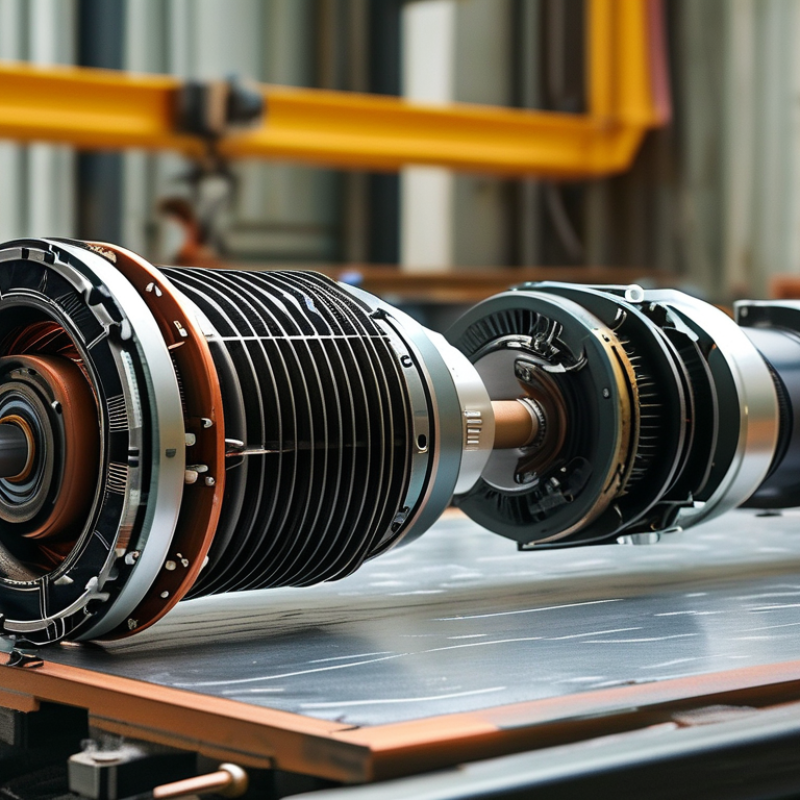
Brushless DC motors (BLDC motors) are known for their efficiency and reliability. They consist of three key components: the stator, rotor, and electronic controller. The stator houses the motor windings and is pivotal in generating a rotating magnetic field. Reports show that the stator design directly affects the motor’s efficiency, impacting applications from electric vehicles to industrial machinery.
The rotor, a crucial element, usually contains permanent magnets. It rotates in response to the magnetic field generated by the stator. Notably, the design of the rotor can influence torque and performance. A study noted that properly designed rotors could improve energy efficiency by as much as 20%. This highlights the necessity for engineers to optimize rotor designs continually.
The electronic controller manages power supply to the motor, ensuring smooth operation. It adjusts the current based on speed requirements, which optimizes performance. However, challenges can arise with controller complexity, possibly leading to maintenance issues. While BLDC motors boast many advantages, such as reduced noise and longer lifespan, continual advancements are necessary to overcome these potential drawbacks. Regularly updating controller designs can mitigate many of these complications and enhance overall motor efficacy.
What is Brushless DC Motor and How Does it Work? - Key Components of Brushless DC Motors
| Component |
Function |
Material |
| Rotor |
Contains permanent magnets and rotates to produce motion. |
Neodymium, Ferrite |
| Stator |
Houses the coils of wire and generates a magnetic field. |
Silicon steel, Copper |
| Electronic Controller |
Converts DC supply into AC, controls the rotor's speed and direction. |
Semiconductors, PCB material |
| Hall Effect Sensors |
Detect the position of the rotor for precise control. |
Silicon, Magnetic materials |
| Bearings |
Supports the rotor and reduces friction during rotation. |
Steel, Ceramic |
How Brushless DC Motors Operate: The Working Principle
Brushless DC motors are fascinating devices that differ significantly from traditional brushed motors. They operate using electronic controllers to manage the rotation of the motor. The absence of brushes reduces wear and tear and enhances efficiency. This technology is a vital component in many modern applications, from computer cooling fans to electric vehicles.
How do these motors work? Inside, permanent magnets rotate around a stationary coil. The electronic controller switches the current through the coils sequentially, creating a rotating magnetic field. This setup allows the motor to achieve precise control of speed and torque. As the magnets spin, they create motion without the friction you would find in brushed motors. This design leads to a longer lifespan and greater reliability.
Tip: Regular maintenance of the motor's controller can enhance performance. Keep it clean and dry. Monitor the temperature to ensure it operates within safe limits.
While brushless DC motors excel in many ways, they can be complex to troubleshoot. If a motor fails, it’s often challenging to pinpoint the issue. Always refer to detailed documentation or consult with an expert when confronting problems. Proper knowledge and experience can save you time and resources.
Advantages of Using Brushless DC Motors
Brushless DC motors (BLDC) are gaining popularity in various applications due to their numerous advantages. They operate without brushes, which reduces maintenance needs and increases lifespan. According to a recent market analysis, the global brushless motor market is projected to grow at a CAGR of 7.4% from 2022 to 2028. This growth indicates a shift toward more efficient and reliable motor solutions in industries such as automotive and consumer electronics.
One major advantage of BLDC motors is their higher efficiency. These motors can achieve up to 90% efficiency, significantly outpacing traditional brushed motors. This efficiency translates into reduced energy consumption and lower operational costs. Additionally, BLDC motors are known for their superior speed control capabilities, making them ideal for applications that require precise movement, such as robotics and drones.
However, it's important to consider potential drawbacks. The initial cost of BLDC motors can be higher than that of conventional motors. Some industries may find the upfront investment challenging, especially for small-scale applications. Moreover, electronics and control systems for BLDC motors can be complex, which may require skilled technicians for installation and troubleshooting. These factors should be evaluated against the long-term benefits to ensure a well-informed decision.
Applications of Brushless DC Motors in Modern Technology
Brushless DC motors (BLDC) are becoming integral to various modern technologies. They offer high efficiency and reliability, making them ideal for applications in many fields. From automotive to renewable energy, these motors are transforming industries.
In automotive systems, BLDC motors power electric vehicles (EVs) and assist in battery management. Their lightweight design improves vehicle performance. They also provide precise control, enhancing driver experience. In renewable energy, these motors drive wind turbines and solar energy systems, contributing to sustainable solutions. Their longevity reduces maintenance, making them cost-effective.
Tips: When choosing a BLDC motor, consider its torque and size. These factors impact performance and installation. Ensure compatibility with your application requirements to avoid inefficiencies. Regularly monitor motor conditions to prevent unforeseen failures.
In robotics, BLDC motors help create agile and responsive machines. They enable better movement in robotic arms and drones. Precision is crucial in these applications, as even a slight error can lead to significant issues.
The technology behind BLDC motors is constantly evolving, leading to more improvements in efficiency and control.
Conclusion
A Brushless DC Motor (BLDC) is a type of electric motor that operates without the traditional brushes found in conventional DC motors, resulting in enhanced efficiency and reduced maintenance needs. The key components of BLDC motors include a stator, rotor, and electronic controller, which work together to convert electrical energy into mechanical energy. The operation of Brushless DC Motors is based on the principle of electromagnetic induction, where the controller regulates the current flow to the motor's coils, generating a magnetic field that interacts with the rotor's permanent magnets.
The advantages of using Brushless DC Motors are significant, including higher efficiency, quieter operation, and longer lifespan. These features make them widely applicable in modern technology, powering devices ranging from electric vehicles and drones to household appliances and industrial machinery. Overall, Brushless DC Motors represent a pivotal advancement in motor technology, driving innovation across various sectors.

 KINOV Motor