China Top Miniature Motor Manufacturers for Global Buyers?

Time:2026-09-27 Author:Mason
0%

China is an important sourcing destination for compact drive components, but “top” depends on the buyer’s application. A Miniature Motor for a handheld instrument may need low noise and precise speed control. A motor for a small pump may instead require steady torque and reliable operation over repeated cycles. Catalog descriptions rarely reveal the full picture. Details matter.

This guide explores how global buyers can assess Chinese manufacturers beyond product photos and broad claims. Compare operating voltage, speed, torque, dimensions, shaft design, noise, and expected service life against your actual requirements. Ask for current datasheets, sample units, and test results tied to the intended operating conditions. A useful supplier should explain its production and quality-control processes clearly, including how it handles specification changes. Check whether relevant certifications and export documents fit your destination market; requirements can differ. Do not assume one certificate covers every product or country.

Price deserves attention, but it is not the whole decision. Lead times, communication, customization capacity, and after-sales support can affect the real cost of a project. A careful comparison takes time. That may feel slow when a launch date is close, yet skipping sample checks can create avoidable setbacks. No shortlist can replace technical validation, and even a polished factory profile leaves questions unanswered. Use the information here as a starting point, then confirm each manufacturer’s claims directly before placing an order.
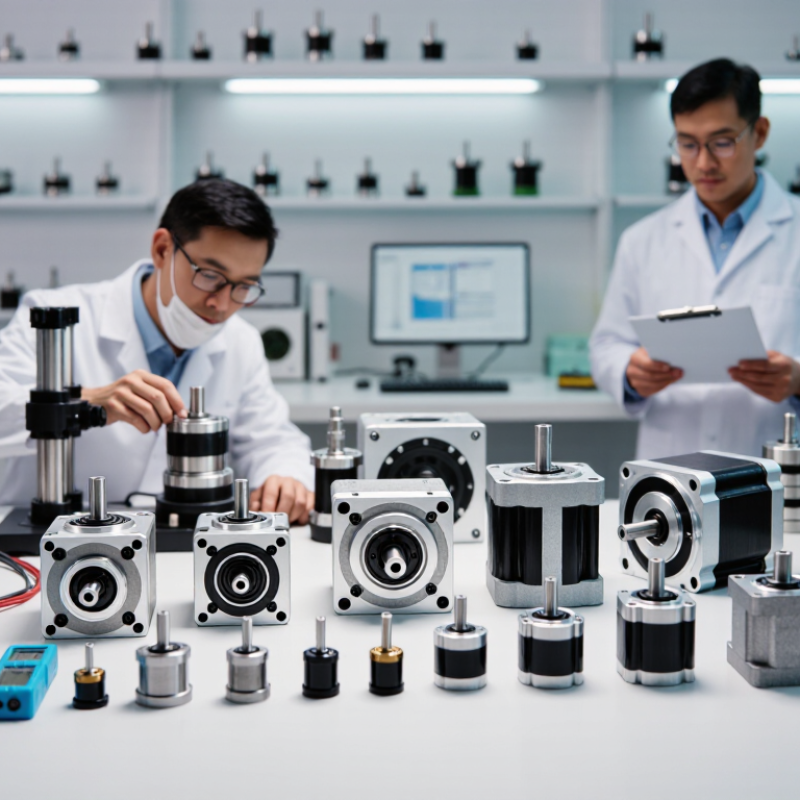
China Top Miniature Motor Manufacturers for Global Buyers?

What Defines a Miniature Motor and Where Is It Used?

A miniature motor is a compact electric motor designed to turn electrical energy into controlled motion where space, weight, or power demand is limited. There is no single size threshold used across every industry. Engineers often judge a motor by its dimensions, output, speed, torque, and intended duty cycle. A neat definition can still mislead. Tiny does not always mean low performance.

These motors appear in camera autofocus units, wearable-device haptics, small pumps, appliance controls, and robotic joints. In a handheld device, a motor may need to fit beside a battery while producing steady movement with little vibration. In a pump, reliable speed control can matter more than peak speed.

The U.S. Department of Energy’s 2014 motor-systems sourcebook reports that motor-driven systems account for about 68% of U.S. industrial electricity use. That figure covers industrial motor systems broadly, not miniature motors alone.

The International Energy Agency’s 2011 report, Energy-Efficiency Policy Opportunities for Electric Motor-Driven Systems, estimates that motor-driven systems use about 45% of global electricity. These broader figures explain why efficiency matters, even though the performance needs of a tiny motor differ from those of factory equipment. Buyers should compare torque, voltage, thermal limits, noise, and expected operating hours—not just outside dimensions. One detail is easy to miss: a motor that fits perfectly may still run poorly under the actual load.

Which Miniature Motor Types Are Made in China?

China’s miniature motor industry produces a broad range of designs for compact equipment. Brushed DC motors are common in small pumps, toys, and handheld devices. They are straightforward to control, though brush wear can limit service life. Brushless DC motors avoid brushes and suit applications needing quieter operation or longer running hours. They usually require an electronic controller.

Stepper motors move in defined increments, making them useful for small positioning systems and instrument mechanisms. Coreless motors have a lightweight rotor and can respond quickly to changing speed commands. Geared miniature motors combine a motor with a reduction gearbox. They trade speed for higher output torque. Vibration motors, including small eccentric-rotating-mass types, are used for alerts in compact electronics. Fit is not automatic.

Buyers should compare voltage, speed, torque, dimensions, noise, and expected operating life. Ask for test conditions, not only headline figures. A motor rated at a certain speed may behave differently under load. Shaft size and mounting holes can also complicate assembly. Suppliers may offer custom windings, gear ratios, or connectors, but capability varies. A catalog can look comprehensive; the sample may reveal a less tidy reality. Check performance in the intended device before approving a production run.

How Is China’s Miniature Motor Manufacturing Industry Organized?

China’s miniature motor industry is not one factory system. It is a layered network of component suppliers, motor producers, and export-oriented integrators. Specialist workshops may supply shafts, magnets, bearings, windings, or stamped housings. Motor manufacturers assemble these parts and tune speed, torque, noise, and power consumption for different uses. Some focus on brushed DC designs; others make brushless, geared, or vibration motors. Many provide samples, custom drawings, and production runs at different scales. That flexibility is useful. In practice, the boundary between a factory and a trading or engineering office can be unclear. Buyers should verify who controls tooling, testing, and final inspection.

Quality systems vary. An organized supplier may document winding resistance, no-load current, noise, and endurance results for each production lot. Ask how measurements are recorded, not only whether inspection occurs. A sample that runs quietly on a bench may behave differently inside a warm, tightly fitted device. That detail is easy to miss. Suppliers may rely on outside sources for magnets or bearings, so lead times can shift. Factory visits, traceable test reports, and a small pilot order can reveal gaps before volume production. Still, no checklist removes every risk; specifications sometimes need revision after real-world testing.

How Can Global Buyers Compare Chinese Motor Manufacturers?

Global buyers should compare miniature motor manufacturers against the same written specification. List voltage, speed, torque, dimensions, duty cycle, noise limits, and operating temperature. A motor that fits a drawing may still run too hot in a compact enclosure. Small details matter.

Request sample units and test them under realistic loads, not just at no load. Record current, temperature, vibration, and startup behavior over repeated cycles. Ask how production units are checked and whether test records can be tied to a batch. Ask for evidence. Review quality certificates carefully; confirm their scope and validity rather than relying on a logo or brief claim. A spreadsheet helps, but it can hide differences in test conditions.

Compare tooling costs, minimum order quantities, lead times, and change-control practices alongside unit price. Ask what happens when a winding, shaft, or connector specification changes. Clear answers are useful. Vague promises are not. Communication also matters: send one technical question and note how fully the supplier responds. This is not a perfect measure, and time-zone delays can distort the impression. Still, consistent documentation and repeatable sample results offer a firmer basis for comparison than a low quotation alone.

How Global Buyers Can Compare Chinese Miniature Motor Manufacturers

Use verified specifications and test reports to compare like-for-like motor models. This chart decodes common IEC 60529 IP ratings; the digits are protection classifications, not a linear performance score.

The first IP digit indicates protection against solid objects and dust; the second indicates protection against water. For IP68, immersion conditions are specified by the manufacturer. When evaluating suppliers, confirm the rating applies to the exact motor model and request the corresponding test documentation.

What Should Buyers Check Before Sourcing Miniature Motors?

Before sourcing a miniature motor, define its real operating job. Record supply voltage, continuous torque, speed range, duty cycle, and available space. A motor that fits a CAD drawing may still overheat inside a sealed housing. Ask for performance curves, not only a headline speed. Check starting current, winding temperature, vibration, and noise under your expected load. Small differences matter.

Grand View Research estimated the global electric motor market at USD 169.1 billion in 2023, with a projected 7.2% compound annual growth rate from 2024 to 2030. This broad market figure does not describe miniature motors alone. Still, it shows why supplier capacity claims can sound convincing. Numbers can mislead. Request a current datasheet, material specifications, production tolerances, and batch traceability. Then test samples under the same voltage and load used in your product. I would also ask how life-test results were measured; cycle counts without test conditions are hard to compare.

Tips: Request several samples and measure current, temperature, and sound after a sustained run. Confirm lead time, minimum order quantity, and change-control procedures in writing. Keep one result that does not fit expectations; investigate it before approving production.

FAQS

How is China’s miniature motor industry organized?

It works as a network of component suppliers, motor makers, and export-focused integrators. Some workshops supply shafts, magnets, bearings, windings, or stamped housings.

What types of miniature motors do manufacturers produce?

Manufacturers may offer brushed DC, brushless, geared, and vibration motors. They can adjust speed, torque, noise, and power use for different devices.

What quality records should buyers request?

Ask for batch-linked records covering winding resistance, no-load current, noise, and endurance. Ask how measurements are recorded. A claim of inspection alone is not enough.

How should buyers test motor samples?

Test samples under realistic loads and inside a representative enclosure. Record current, temperature, vibration, and startup behavior across repeated cycles. Small details matter.

Why can a quiet sample behave differently in a device?

Heat and tight spacing can change motor performance. A quiet bench test may not reflect conditions inside a warm, compact enclosure.

How can buyers compare manufacturers fairly?

Use the same written specification for voltage, speed, torque, dimensions, duty cycle, noise, and temperature. A spreadsheet helps, but test conditions can still differ.

What costs and production details should buyers compare?

Compare unit price, tooling costs, minimum order quantities, lead times, and change-control practices. Ask what happens if a shaft or connector specification changes.

How can buyers check who controls production and inspection?

Confirm who controls tooling, testing, and final inspection. A factory visit, traceable reports, and a small pilot order can reveal gaps. No checklist catches everything.

Conclusion

This article explains what defines a Miniature Motor, including its compact size, operating characteristics, and role in applications where space, weight, and precise movement matter. It introduces common motor types manufactured in China and describes how they may differ in power source, speed control, torque, and intended use. Readers will also gain an overview of China’s manufacturing landscape, from specialized producers to broader industrial suppliers, and how production capabilities and quality processes can vary.

For global buyers, the article outlines practical ways to compare manufacturers, such as reviewing technical specifications, customization options, production capacity, communication, and quality assurance. It also highlights checks to complete before sourcing, including confirming application requirements, requesting samples and documentation, assessing consistency between sample and production units, and clarifying lead times and after-sales support. These considerations can help buyers make informed decisions and find a suitable supplier for their needs.

Mason

Mason

Mason is a seasoned marketing professional with a deep expertise in the company's offerings and a passion for driving brand awareness. With a strong background in digital marketing strategies, he has an innate ability to connect with diverse audiences and effectively communicate product benefits.......