DC motors are essential components in numerous applications, from household appliances to industrial machinery. According to a report by Markets and Markets, the DC motor market is projected to grow significantly, reaching $25.88 billion by 2025. This growth is driven by the demand for automation and electrification across various sectors.
Understanding how a DC motor operates is crucial for engineers and technicians alike. These motors convert electrical energy into mechanical energy, offering precise control over speed and torque. However, their efficiency can diminish due to factors such as wear and tear or poor maintenance. This underscores the need for regular performance evaluations and improvements.
In an age where energy efficiency is paramount, optimizing DC motors can lead to significant savings in energy costs. Yet, many systems still rely on outdated technology, highlighting a gap that needs addressing. Exploring the workings of DC motors provides insight into their potential and limitations, offering pathways for innovation and improved reliability in practical applications.
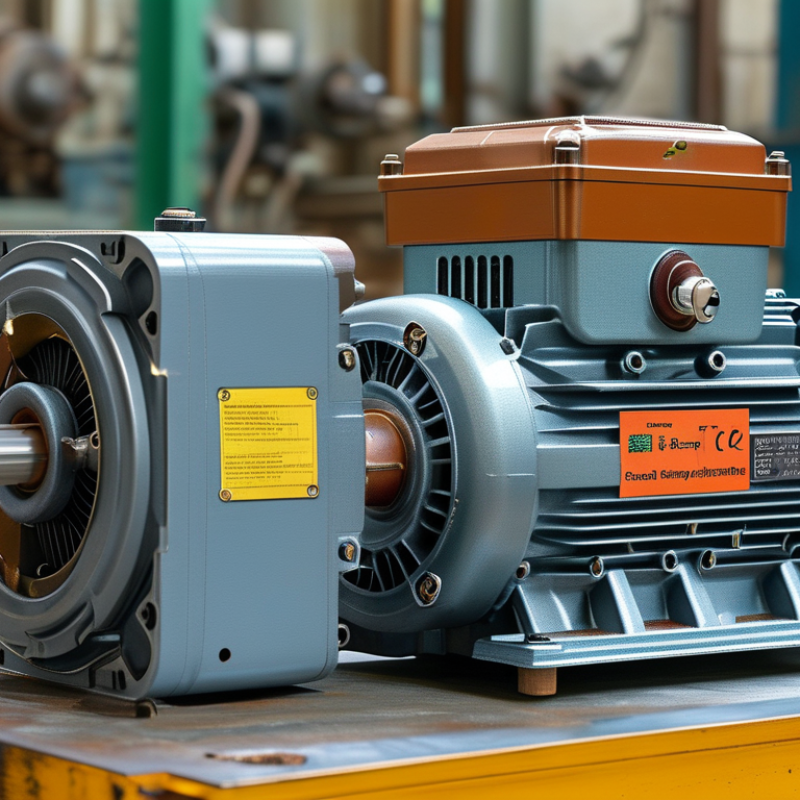
DC motors are essential components in various applications, ranging from household appliances to industrial machinery. Understanding their mechanics is fundamental. These motors convert direct current electrical energy into mechanical energy. This conversion is achieved through electromagnetic principles, involving a magnetic field and rotating armature. To grasp their utility, one must recognize the trends in the market.
According to a recent industry report, the global DC motor market is projected to grow at a compound annual growth rate (CAGR) of 6.5% from 2021 to 2028. This growth is due to advancements in technology and an increasing demand for automation in industries. DC motors offer advantages such as precise speed control and simple design, making them popular for many applications. Yet, they also have limitations, such as higher maintenance needs compared to other motor types.
Tips: Ensure proper electrical connections to maximize efficiency. Regular maintenance can prevent problems. Monitor the temperature of the motor to avoid overheating.
In analyzing the functionality, it's vital to consider their limitations. DC motors can wear out quickly due to brush and commutator friction. It's also important to note that efficiency can vary based on load conditions. Emphasizing these aspects allows users to make informed decisions and optimize performance. A comprehensive understanding of DC motors can lead to better application in various fields.
| Dimension | Details |
|---|---|
| Type | Brushed, Brushless |
| Voltage Range | 1.5V to 48V |
| Power Output | Fraction of a watt to several kilowatts |
| Speed Range | 100 RPM to 30,000 RPM |
| Torque | Low to high torque options |
| Applications | Robotics, Electric Vehicles, Home Appliances |
| Control Methods | Pulse Width Modulation, Analog Control |
| Efficiency | Typically 75% to 90% |
: A DC motor converts direct current electrical energy into mechanical energy.
They operate through electromagnetic induction, generating a magnetic field that creates torque for rotation.
Key components include the stator, rotor, brushes, and commutator. Each plays a vital role in functionality.
They provide precise speed control and have a simple design suitable for many uses, especially in automation.
They wear out quickly due to brush and commutator friction and require regular maintenance.
Regular maintenance and inspecting brush wear can enhance performance significantly.
Performance varies based on load conditions and can be impacted by temperature changes during operation.
Monitoring temperature can prevent overheating, which is a common problem in DC motors.
Speed can be adjusted by varying the input voltage or using pulse-width modulation (PWM).
Adoption of brushless DC motors can mitigate wear issues, leading to improved reliability and lifespan.
DC motors are essential electromechanical devices that convert direct current electrical energy into mechanical energy. Understanding their key components, which include the stator, rotor, commutator, and brushes, is vital for grasping how they function. The principle of operation relies on the interaction between magnetic fields and current-carrying conductors, leading to torque generation and rotational motion.
Various types of DC motors, including brushed and brushless models, cater to a wide range of applications, from small appliances to industrial machinery. These motors offer several advantages such as ease of control and good torque characteristics, but they also come with limitations, including maintenance needs and efficiency concerns. Overall, DC motors play a crucial role in modern automation and drive technologies, underscoring their importance in both everyday and specialized applications.

 KINOV Motor