High torque motors are essential in various applications. They provide the power needed for tasks requiring significant force. Industries ranging from automotive to robotics benefit from these motors. A high torque motor can drive heavy loads effectively. This capability is crucial for machinery that demands reliability and efficiency.
Choosing the right high torque motor is not always straightforward. Each motor has unique specifications and features. Understanding these differences requires expert knowledge. Some motors excel in speed while others prioritize torque. Evaluating the right fit for your project can be challenging.
In this article, we will explore the top 10 high torque motors available. We will highlight their specifications, advantages, and ideal applications. This overview aims to help you make an informed decision. Investing in the right motor can lead to improved performance and productivity. Whether for industrial or personal use, the right high torque motor can make a significant difference.
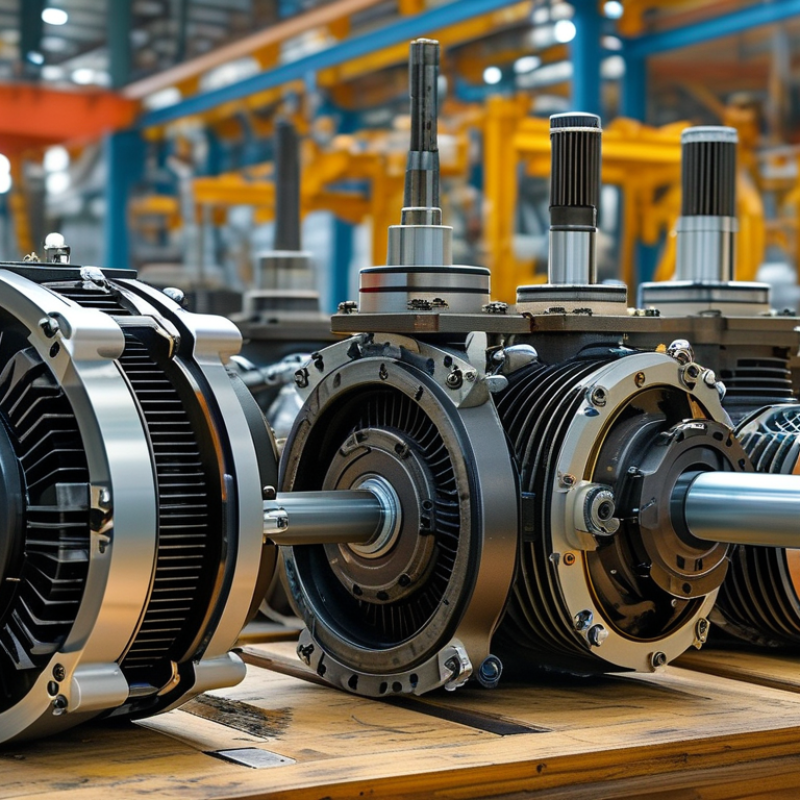
High torque motors are essential for various applications. They provide the necessary power to perform tasks that require significant force. This type of motor is designed to generate high rotational force at low speeds, making it ideal for heavy-load operations. Industries that frequently utilize high torque motors include manufacturing, automotive, and robotics. These motors drive conveyor belts, lift heavy machinery, and operate robotic arms effectively.
Understanding the definition of high torque motors is crucial. They typically have a larger diameter or longer magnetic field, allowing for greater torque generation. This design feature enhances their efficiency in demanding situations. However, not all applications warrant the use of high torque motors. Improper selection can lead to wasted resources and performance issues. For example, using a high torque motor in a low-load application may result in energy inefficiency and unnecessary wear.
Delving deeper into their functionality reveals both advantages and challenges. High torque motors often require sophisticated control systems for optimal performance. This adds complexity, and adapting to these systems can be a hurdle for some users. Additionally, the upfront cost may deter some businesses from making a switch. Evaluating the specific needs of an application is crucial. The decision should reflect both the operational demands and potential return on investment.
When choosing high torque motors, key performance metrics play a vital role. Torque rating is essential; it reflects the motor's ability to generate rotational force. Higher torque ratings mean more power for demanding applications. Another critical factor is the motor's efficiency. An efficient motor converts more electrical energy into mechanical energy, which can lead to lower operational costs.
Thermal performance is also important. High torque motors can generate significant heat during operation. Understanding the thermal limits helps prevent overheating. Alongside this, speed characteristics should not be overlooked. The optimal speed range can influence the performance of a motor in specific applications.
Evaluating torque-to-weight ratio can provide insight as well. A lightweight motor with high torque is often preferred. This balance can enhance overall system performance and equipment longevity. It’s essential to reflect on how these metrics align with your specific needs, as miscalculations can lead to suboptimal performance.
When selecting high torque motors, understanding their specifications is crucial. Torque ratings determine a motor's ability to perform efficiently under load. Generally, motors with higher torque ratings provide better performance, especially in demanding applications like robotics and automation. Look for motors that specify both stall and continuous torque. Both metrics reveal how the motor will behave in real-world scenarios.
Current ratings are also key. They indicate how much energy the motor consumes. Motors that require lower current for the same torque output can help reduce energy costs. Moreover, take note of the motor's durability features. Components such as sealed bearings can protect against contamination, extending the motor's lifespan. Another important factor is the ease of integration. Motors designed for simple installation can save time and reduce setup costs.
Optimizing performance often leads to trade-offs. For instance, a higher torque output may result in increased size and weight. Designers need to reflect on the balance between power and practicality. In some situations, a lower torque motor might suffice, especially if weight is critical. Understanding these intricacies can lead to more informed decisions in choosing the right motor for specific applications.
| Motor Type | Torque (Nm) | Power (kW) | Speed (RPM) | Voltage (V) | Weight (kg) |
|---|---|---|---|---|---|
| Brushless DC Motor | 10 | 1.5 | 3000 | 48 | 2.0 |
| Stepper Motor | 5 | 0.5 | 1500 | 24 | 1.2 |
| AC Induction Motor | 20 | 3.0 | 1500 | 230 | 10.0 |
| Servo Motor | 15 | 2.5 | 4000 | 220 | 3.5 |
| Permanent Magnet Motor | 12 | 2.0 | 3500 | 48 | 4.0 |
| Linear Motor | 25 | 5.0 | 2000 | 48 | 8.0 |
| Synchronous Motor | 18 | 3.5 | 1800 | 400 | 12.0 |
| Universal Motor | 30 | 2.2 | 6000 | 230 | 7.0 |
| Switched Reluctance Motor | 8 | 1.0 | 3600 | 48 | 2.5 |
| DC Brushed Motor | 6 | 0.4 | 2500 | 12 | 1.1 |
High torque motors play a significant role in various industries. Their efficiency can be maximized through best practices in usage. According to a report from the International Electromechanical Technologies Association, optimizing motor speeds can improve torque output by up to 20%. Understanding the load requirements is crucial. Misjudging the torque needed can lead to motor stress and reduced lifespan.
Regular maintenance is vital. Over time, wear and tear can reduce efficiency. Studies show that well-maintained motors operate at 90% of their rated capacity, while neglected ones fall to as low as 70%. Implementing predictive maintenance technologies may help prevent unexpected failures. It's essential to invest in training for staff. Knowledgeable personnel can recognize early signs of trouble, which minimizes downtime and costs.
Selecting the appropriate motor type is another critical factor. Each application requires a tailored solution. For instance, an over-specified motor may waste energy and cause unnecessary friction. Furthermore, under-specifying can lead to catastrophic failures. Rethinking specifications and adjusting them based on real-time data is necessary for optimal performance. Engaging with industry standards can guide these decisions effectively.
High torque motors are becoming increasingly important as industries seek efficient solutions. As technology advances, the focus on sustainability in high torque motor design has grown. This trend aims to reduce energy consumption and improve longevity. Efficient motors not only save resources but also lower operational costs. Manufacturers are continually innovating to enhance motor efficiency while minimizing environmental impact.
Emerging technologies, such as advanced materials and smart sensors, play a vital role. These innovations can significantly improve performance. For instance, lightweight materials help reduce wear. Smart sensors monitor performance in real time, allowing for adjustments that enhance efficiency. These technologies make motors not only powerful but also eco-friendly.
Consider focusing on maintenance routines to extend motor life and performance. Regular checks help identify wear and tear early. Monitoring energy consumption can reveal unexpected spikes, signaling potential issues. Simple adjustments may lead to significant savings. Leverage technology to track your motor's health effectively. Consider investing time in understanding the evolving landscape of motor technology. Sustainable designs will shape the future, enhancing both performance and environmental responsibility.
: Torque rating reflects the motor's capacity to generate force. Higher ratings provide more power for tough tasks.
An efficient motor converts electrical energy into mechanical energy effectively. This leads to reduced operational costs over time.
High torque motors can produce substantial heat during operation. Understanding thermal limits prevents overheating and potential damage.
The optimal speed range affects motor performance in specific applications. Inadequate speed settings can hinder efficiency.
A high torque, lightweight motor enhances system performance. Balancing these factors contributes to equipment longevity.
Wear and tear reduce motor efficiency. Regular maintenance keeps motors operating close to their rated capacity for longer.
Predictive maintenance prevents unexpected failures. Early problem detection minimizes downtime and associated repair costs.
Underestimating torque needs can stress the motor, leading to reduced lifespan. Accurate load assessments are essential for longevity.
Emerging technologies, like advanced materials, enhance performance and reduce environmental impacts. Smart sensors allow real-time performance monitoring.
Trained personnel can identify early issues, reducing downtime. Staff knowledge is vital for maintaining optimal motor conditions.
High Torque Motors are essential components in various industrial applications, characterized by their ability to deliver significant rotational force at low speeds. This article provides a comprehensive overview of high torque motors, discussing their definition and key applications across sectors such as manufacturing and robotics. To effectively evaluate these motors, it highlights critical performance metrics, ensuring that users can make informed decisions when selecting the right motor for their needs.
In addition to outlining the top ten high torque motors with detailed specifications and feature comparisons, the article emphasizes best practices for optimal usage in industry settings. It also looks ahead, exploring future trends in high torque motor technology, particularly focusing on advancements that enhance sustainability and efficiency. Understanding these elements is crucial for leveraging high torque motors to achieve superior performance in modern engineering challenges.

KINOV Motor