Hot Sale Gear Motors What Buyers Need to Know

Time:2026-07-03 Author:Ethan
0%

In today's competitive market, understanding "Hot Sale Gear Motors" is crucial for making informed purchasing decisions. These motors are widely used across various industries due to their efficiency and reliability. They offer a compact solution for converting high-speed rotational energy into low-speed torque.

When considering a gear motor, it’s essential to evaluate factors such as load capacity, speed, and efficiency. Buyers often overlook the importance of matching the motor specifications with their application needs. This mismatch can lead to operational issues and increased costs.

Moreover, choosing the right supplier plays a vital role in ensuring quality and performance. Researching manufacturers can help identify reputable sources. However, not all “Hot Sale Gear Motors” will meet high standards. Evaluating customer reviews and product certifications can provide insight into the reliability of these motors. Buyers should remain cautious and seek expert advice when necessary. Balancing price and performance is an ongoing challenge in any purchasing decision.
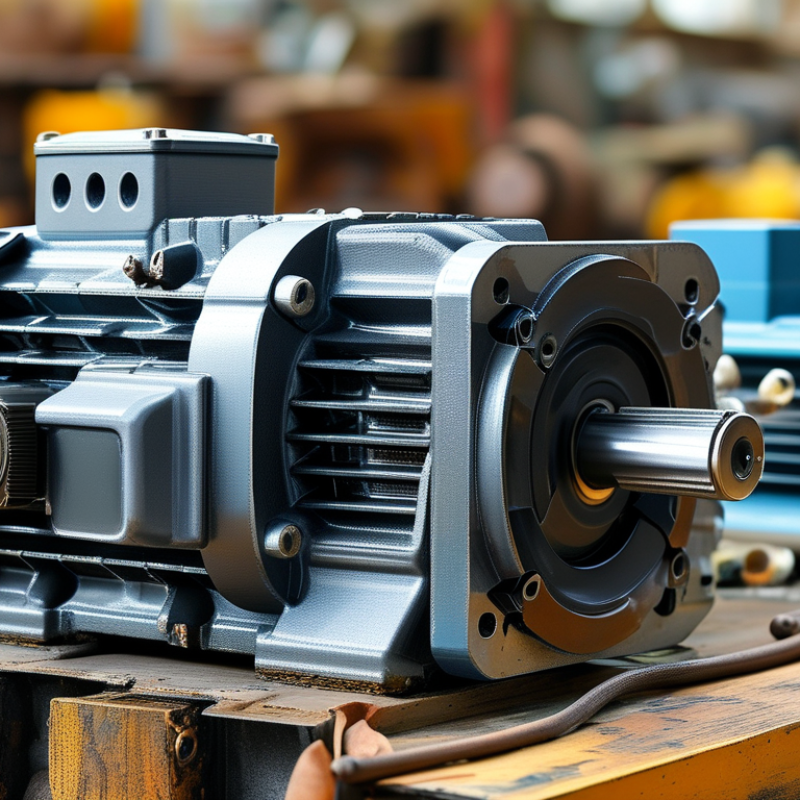
Hot Sale Gear Motors What Buyers Need to Know

Understanding Gear Motors: Types and Functions

Understanding gear motors is crucial for buyers aiming for the right choice. These motors combine a motor and a gearbox to enhance output torque. They are widely used in various industries, ranging from robotics to food processing. According to a recent market study, the demand for gear motors is expected to grow by over 7% annually, driven by advancements in automation.

When considering gear motor types, it’s essential to recognize the differences. For instance, AC gear motors are often favored for their reliability and efficiency, while DC gear motors are popular in applications requiring variable speed. Planetary gear motors are notable for high torque density and compact size, making them suitable for space-constrained environments. Understanding the specific application can guide more informed decisions.

Tips: Always account for torque requirements and desired speed. Overlooking these factors can lead to underperformance or system failures. Choose a motor that provides adequate thermal management to prolong its lifespan. Regular maintenance is vital; wear can drastically affect performance. Inadequate knowledge and poor choices can lead to issues, so do thorough research before making a purchase.

Hot Sale Gear Motors What Buyers Need to Know - Understanding Gear Motors: Types and Functions

Type of Gear Motor Applications Torque (Nm) Speed (RPM) Power Rating (W)
Helical Gear Motor Conveyor Systems 30 150 100
Planetary Gear Motor Robotics 50 200 150
Bevel Gear Motor Automated Manufacturing 20 100 75
Worm Gear Motor Elevators 70 50 200
AC Gear Motor Fans and Blowers 40 300 120

Key Factors to Consider When Buying Gear Motors

When purchasing gear motors, several key factors warrant careful consideration. First, assess the torque requirements of your application. Torque is critical for the motor's performance. A wrong torque rating may lead to inefficiencies. Choose a motor that meets your specific needs. Misjudging this aspect could cause operational issues later.


Next, evaluate the gearbox ratio. Gear ratios determine the output speed and torque. Higher ratios can provide greater torque but reduce speed. The balance between speed and torque is essential. Take the time to calculate the ideal ratio for your project. This can be a complex task that requires thorough testing and adjustment.


Another important factor is the motor's environmental rating. Consider where the motor will be used. Factors like temperature, humidity, and exposure to chemicals can impact its performance. Ensure that the motor is rated for such conditions. Ignoring this might lead to premature failure or malfunctions. Each detail plays a significant role in the longevity of your equipment.

Common Applications for Gear Motors in Various Industries

Gear motors are essential components across various industries. They provide effective torque and speed control, making them crucial for machinery operations. You'll find gear motors in food processing, packaging, and conveyor systems. Their versatility allows them to adapt to different tasks seamlessly.

In the automotive industry, gear motors help streamline production lines. They assist in assembly tasks and vehicle movement. In robotics, these motors power joints and movements with precision. However, users must consider torque requirements and speed ratings carefully. Incorrect specifications can lead to equipment failure.

Tips: Always validate your project needs before purchasing. Research the environment where the motors will operate. Will they face moisture or dust? Also, consider energy efficiency. Effective motors often lead to lower operational costs. Investing in reliable gear motors can enhance productivity and reduce downtime, which is vital for any industry.

Common Applications for Gear Motors in Various Industries

Comparing Gear Motor Brands: Reliability and Performance

When choosing gear motors, performance and reliability are critical factors. Buyers often prioritize these elements but may overlook important details. One vital aspect is the material quality. High-quality materials combined with precise manufacturing lead to better performance. Daily wear can affect durability, so consider motors designed for specific environments.


Another point to remember is the gear ratio. A higher gear ratio means more torque but lower speed. Alternatively, a lower ratio allows for faster operation. Understanding these nuances can help buyers choose the right motor for their needs. It’s not just about power; efficiency matters too. An efficient motor saves energy, which may lower operational costs.


While many brands claim high reliability, real-world performance can differ. Research and reviews from actual users reveal shortcomings. Some motors may underperform under heavy loads or extreme conditions. Therefore, assessing real-life applications is essential. Buyers should weigh the pros and cons, examining each option with a critical eye. This reflection can ensure a more informed decision when selecting the perfect gear motor.

Maintenance Tips to Extend the Life of Gear Motors

When it comes to gear motors, maintenance plays a crucial role in ensuring longevity and optimal performance. Neglecting regular upkeep can lead to early failures. Understanding how to care for your gear motors is essential for all users.

One key tip is regular lubrication. Adequate lubrication reduces friction and wear. Check oil levels frequently and use the right type for your specific motor. Over time, dirt and contaminants can enter, affecting performance. It is vital to clean the motor housing regularly. Remove any dust and debris from vents and surface areas to prevent overheating.

Another important aspect is monitoring operating conditions. Excessive heat or vibration can indicate problems. If you notice unusual noises, investigate immediately. It's worth considering that running gear motors beyond their rated capacity can lead to failure. Take time to reflect on how your operational practices may affect gear motor health. Regularly review and adjust workloads to maintain efficiency and performance.

FAQS

: What is a gear motor?

: A gear motor combines a motor with a gearbox to enhance torque output.

Why are gear motors important?

They are crucial for various industries, ensuring the right performance in applications like robotics and food processing.

What types of gear motors are there?

Common types include AC and DC gear motors, plus planetary gear motors known for compact size and high torque.

How can torque requirements affect my choice?

Overlooking torque needs can lead to system underperformance and potential failures in applications.

What maintenance is required for gear motors?

Regular lubrication and cleaning of the motor housing are essential to prevent wear and overheating.

How can I monitor gear motor health?

Check for unusual noises, excessive heat, or vibration to identify potential issues early.

What happens if I ignore maintenance?

Neglecting upkeep can result in early failures and reduced performance over time.

How often should I check oil levels?

Regular checks are needed, as the right oil type helps maintain optimal functioning and longevity.

Can operational practices affect gear motors?

Yes, running motors beyond rated capacity can cause failures. Reflect on your practices for improvement.

What should I do if my gear motor operates poorly?

Investigate immediately for unusual signs and adjust workloads to improve efficiency and performance.

Conclusion

In the article "Hot Sale Gear Motors What Buyers Need to Know," readers are introduced to the essential aspects of gear motors, including their types, functions, and key considerations when making a purchase. Understanding the mechanics of gear motors is crucial, as they are widely used across various industries for tasks requiring precise motion control and torque. Buyers should evaluate factors such as load capacity, efficiency, and operating environment to ensure they select the most suitable model for their needs.

Additionally, the article discusses common applications for gear motors, highlights the importance of reliability and performance when comparing different brands, and provides maintenance tips to help users extend the lifespan of their gear motors. With this comprehensive guide, potential buyers of hot sale gear motors will be well-equipped to make informed decisions that meet their operational requirements.

Ethan

Ethan

Ethan is a seasoned marketing professional with a deep expertise in our company's innovative product line. With a passion for sharing knowledge and insights, he takes the lead in regularly updating our corporate blog, where he explores industry trends, product features, and effective marketing......