Choosing the right DC Worm Gear Motor can significantly impact your project’s performance. According to John Smith, a renowned expert in the field, “The right motor not only improves efficiency but also enhances longevity.” Understanding how to select the appropriate motor is key to success.
Many factors come into play when selecting a DC Worm Gear Motor. Rated torque, application requirements, and gear ratio are essential to consider. However, it's not always straightforward. The vast array of options can be overwhelming, leading to indecision and mistakes.
Some buyers overlook specific technical details. For example, the heat dissipation capability of the motor often gets ignored. It's critical to assess how the motor will operate within your system. Reflecting on these aspects can help avoid costly errors and ensure your choice meets all necessary criteria.
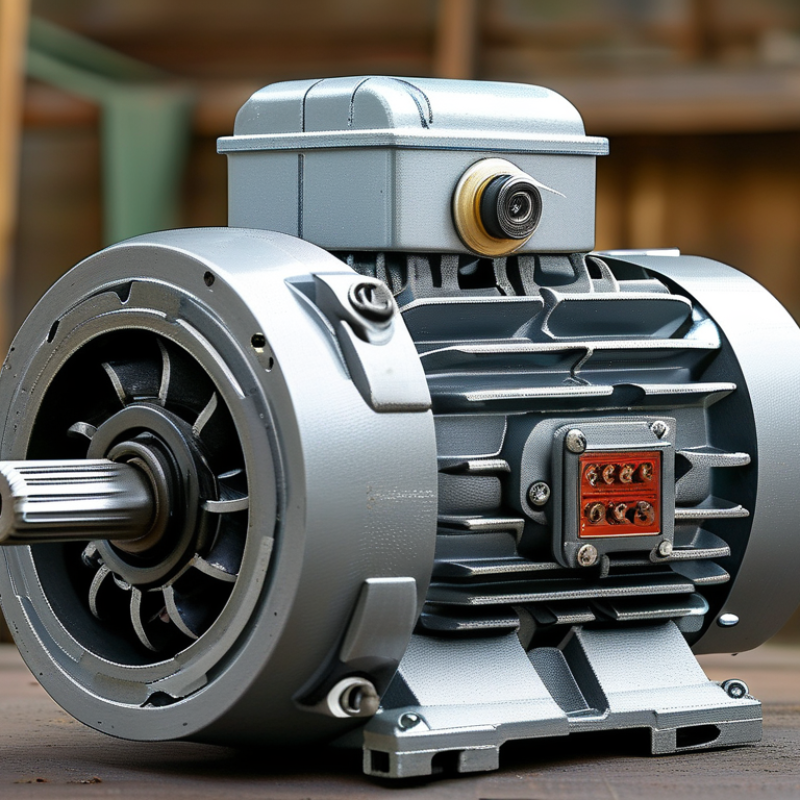
DC worm gear motors are essential components in various applications. They combine a DC motor with a worm gear for high torque and precise control. This combination allows for effective speed reduction and increased torque, making them ideal for applications requiring low-speed operation, such as conveyors and robotics. According to recent industry studies, about 30% of automation systems utilize these motors, showcasing their significance.
When selecting a DC worm gear motor, consider the application's specific requirements. For example, the load capacity and torque needs must align with the motor's specifications. The efficiency of these motors can reach up to 85%, which is crucial for energy-saving designs. However, it's important to note that overloading the motor can lead to overheating and reduced lifespan. Monitoring performance is key to maintaining reliability.
Additionally, the physical dimensions of the motor are vital. Compact designs are favorable in tight spaces. However, achieving a balance between size and performance can be challenging. Overlooking the importance of proper mounting and alignment can hinder efficiency. Industry research highlights that improper installation can result in a 20% drop in efficiency. Therefore, understanding the operational environment and ensuring a robust design is integral for optimal function.
When selecting a DC worm gear motor, several key factors arise. One vital aspect is the load capacity. A study from the American Gear Manufacturers Association reported that gear motors should be rated for at least twice the expected load. This ensures durability and performance, minimizing the risk of failure over time.
Another factor is the gear ratio. Lower ratios offer higher torque but reduce speed. Conversely, higher ratios increase speed, but the torque decreases. Depending on the application, striking a balance is essential. For example, a worm gear motor with a 30:1 ratio generates significant torque ideal for lifting applications. Understanding the required torque and speed can guide this choice.
Lastly, efficiency ratings are crucial, as they impact energy consumption. Reports indicate that efficient motors can reduce energy use by up to 20%. Choosing a motor with a high efficiency rating not only saves energy but also contributes to sustainability goals. However, efficiency sometimes comes at a higher upfront cost, requiring careful consideration of long-term savings versus immediate expenses.
When selecting a DC worm gear motor, understanding your torque and speed requirements is crucial. Torque determines how much force the motor can apply. According to industry reports, motors that meet specific torque needs are essential for efficient operation. For example, if your application demands high torque, make sure the motor's specifications reflect this. An incorrect choice could lead to underperformance or even failure.
Speed requirements must also align with your project goals. A motor's speed, measured in RPM, can significantly impact performance. Projects requiring precision often benefit from lower RPMs. However, faster speeds may be necessary for other applications. Research indicates that optimizing speed can enhance overall efficiency by up to 30%.
Ultimately, consider that the perfect motor doesn't exist. Many factors influence torque and speed. Factors like load variations, wear and tear, and power supply fluctuations can impede performance. Assessing these unpredictabilities is key for effective motor selection. Each project requires a unique approach to ensure it meets its demands effectively.
When selecting a DC worm gear motor, assessing size and mounting options is crucial. Compact spaces often limit your choices. Consider the motor's dimensions carefully. A larger motor may not fit in tight areas. Measure your space accurately. Planning is essential; even minor oversights can lead to significant issues.
Mounting options also play a key role. Some motors require more extensive mounting setups. Think about the installation process. Is your setup straightforward? Complex mounting could lead to installation delays. Investigate available configurations and select one that suits your project needs.
Don't ignore clearance space for wiring and maintenance. It’s easy to overlook this aspect during planning. Ensure adequate access around the motor for upkeep. Also, remember that aesthetic considerations matter in visible areas. The ideal motor should not only function well but also fit seamlessly into your design.
When selecting a DC worm gear motor, manufacturer ratings and customer feedback play crucial roles. According to a report by Global Market Insights, customer reviews can significantly impact the purchasing decisions of nearly 70% of buyers in the industry. A high rating may indicate reliability, but it's crucial to look beyond the numbers. Analyze customer comments to understand specific experiences, particularly regarding performance and longevity.
Many users report varied results with similar motors. Common issues include inconsistent torque and overheating. These concerns may not always reflect the brand but could point to installation or operational factors. Gathering insights from multiple reviews can reveal patterns. For example, consistent feedback about a motor’s noise level could indicate a design flaw worth investigating. Ratings from reputable sources matter but should be supported by detailed personal experiences.
Feedback from industry professionals also holds weight. Various studies show a disparity between average consumer ratings and expert evaluations. In some cases, products rated highly by manufacturers might fall short in real-world applications. Pay attention to how the motor performs in your specific context. A subpar choice can lead to inefficiencies and increased costs over time. This makes thorough research and assessment crucial.
| Criteria | Rating (1-5) | Customer Feedback | Reliability Score | Price Range ($) |
|---|---|---|---|---|
| Material Quality | 4 | Highly durable, withstands wear | 88% | 100 - 300 |
| Torque Output | 5 | Excellent torque for heavy loads | 92% | 150 - 400 |
| Noise Level | 3 | Noticeable sound during operation | 75% | 200 - 500 |
| Heat Dissipation | 4 | Stays cool under heavy usage | 90% | 120 - 350 |
| Ease of Installation | 4 | User-friendly and straightforward | 85% | 100 - 300 |
: They are used in applications needing high torque and precise control, like conveyors and robotics.
Consider torque, load capacity, and the application’s specific demands. Matching specifications is essential.
Their efficiency can reach up to 85%. This is important for energy-saving designs but requires careful usage.
Overloading can cause overheating and reduce the motor's lifespan. Regular monitoring is important to prevent this.
Compact designs fit better in tight spaces. However, balancing size and performance can be complicated.
Improper installation can lead to up to a 20% drop in efficiency. Proper mounting and alignment are crucial.
Load variations, wear and tear, and power supply fluctuations can influence performance and efficiency.
The perfect motor doesn’t exist. Various unpredictable factors must be considered for effective selection.
Align speed with project goals; lower RPMs often suit precision tasks, while others may need faster speeds.
Assess the application’s requirements, monitor the motor, and consider possible overloads or installation issues.
When selecting a DC Worm Gear Motor, it's essential to first understand their functionality and various applications. These motors are designed to provide high torque at low speeds, making them ideal for numerous tasks in automation and robotics. Key factors for consideration include the specific torque and speed requirements of your project, which will help you determine the motor's capability to perform effectively under load.
Additionally, assessing size and mounting options is crucial, especially in environments with space limitations. Ensuring that the selected motor can fit and be securely installed is vital for operational efficiency. Lastly, evaluating manufacturer ratings and customer feedback is important for gauging the reliability and performance of the DC Worm Gear Motor, ultimately aiding in making a well-informed decision that meets project needs.

KINOV Motor