Stepper motors play a crucial role in modern automation and robotics. Their ability to provide precise control over movement makes them indispensable in various applications. According to a report by MarketsandMarkets, the global stepper motor market is projected to reach $4.65 billion by 2025, indicating robust growth driven by technological advancements and increasing demand in industries such as manufacturing, automotive, and healthcare.
Despite their advantages, selecting the right stepper motor can be challenging. With many options available, understanding specifications like torque, speed, and driver compatibility is essential. A common mistake is overlooking the load requirements in projects. As projects become increasingly complex, the need for reliability and performance grows. Therefore, careful evaluation is necessary.
Familiarizing oneself with industry trends can aid in the selection process. Some users may find it beneficial to refer to in-depth reviews and comparisons. Engaging with professional communities can provide valuable insights. In this article, we will explore the top 10 stepper motors that are currently making waves in the market, ensuring your next project achieves optimal performance and efficiency.
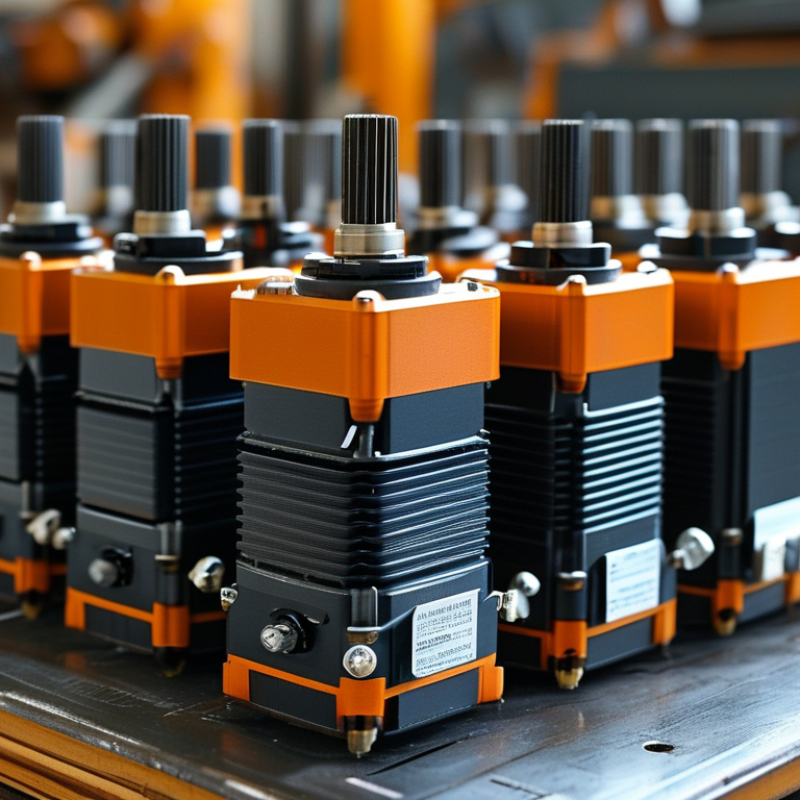
Stepper motors are key components in many engineering and robotics projects. They convert electrical energy into precise mechanical movement. Their unique design allows for accurate control of rotation in small increments. This capability makes them perfect for applications that require fine adjustments.
Understanding how stepper motors work can enhance your project planning. Unlike traditional motors, they don’t rotate continuously. Instead, they operate in defined steps, each representing a fraction of a full rotation. This characteristic allows users to position components with high accuracy. However, it can be challenging to find the right type. The variety of stepper motors includes permanent magnet, reluctance, and hybrid types. Each has its advantages and best-use scenarios.
Consider your project's requirements before selecting a motor. Factors like torque, speed, and size matter greatly. The choice of the driver and control method also impacts performance. Some users may struggle with integrating these motors into their designs. They must consider the necessary adjustments in their circuitry. Careful planning and testing can alleviate these concerns. By doing so, you can leverage the benefits of stepper motors effectively.
| Motor Type | Step Angle (Degrees) | Holding Torque (Ncm) | Rated Current (A) | Voltage (V) | Weight (g) |
|---|---|---|---|---|---|
| NEMA 17 | 1.8 | 45 | 1.5 | 12 | 400 |
| NEMA 23 | 1.8 | 65 | 2.8 | 12-24 | 600 |
| NEMA 17 Bipolar | 1.8 | 45 | 1.2 | 12 | 380 |
| NEMA 14 | 1.8 | 20 | 0.5 | 12 | 240 |
| NEMA 34 | 1.8 | 100 | 6.0 | 48 | 1500 |
| Gear Stepper | 1.8 | 40 | 1.2 | 12 | 500 |
| Double Shaft | 1.8 | 50 | 2.0 | 12 | 420 |
| High Torque | 1.8 | 80 | 3.5 | 24 | 800 |
| Compact Stepper | 1.8 | 30 | 1.0 | 12 | 300 |
| Precision Stepper | 0.9 | 40 | 1.5 | 12 | 350 |
: They are key components in engineering and robotics projects for precise mechanical movement and fine adjustments.
They work in defined steps, allowing for high accuracy in positioning components without continuous rotation.
Consider torque, speed, size, and the driver type impacting performance in your specific application.
Holding torque indicates how much load a motor can handle, affecting precision in positioning tasks significantly.
Smaller step angles enable finer resolution and improve overall system accuracy in precise movements.
Pulse rate influences control frequency and responsiveness, essential for effective motor operation in applications.
Over or under motorizing can lead to inefficiency; careful evaluation of project needs helps avoid this.
Proper placement minimizes vibration, which is crucial for maintaining motor performance during operation.
Always test the setup to identify overlooked details that could impact overall functionality and efficiency.
Each project offers a chance to reflect on design choices, which can boost your future expertise significantly.
Stepper motors are essential components in various applications, known for their precision and control capabilities. This article begins with an introduction to stepper motors, highlighting their significance in automation and robotics. It delves into the different types of stepper motors—such as permanent magnet, variable reluctance, and hybrid—to help readers understand their unique functionalities.
The article further outlines key specifications to consider when selecting a stepper motor, including torque, step angle, and driving requirements. It features a curated list of the top 10 recommended stepper motors suitable for a range of projects, providing insights into their respective strengths. Finally, the article offers practical tips for effectively integrating stepper motors into your next project, ensuring optimal performance and efficiency. By understanding these components, readers can make informed decisions that enhance their engineering designs.

 KINOV Motor