Engineered for precise rotational speeds, reliable starting torque, and continuous duty cycles across commercial and household applications.
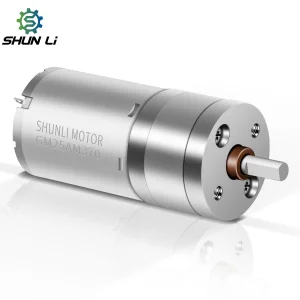
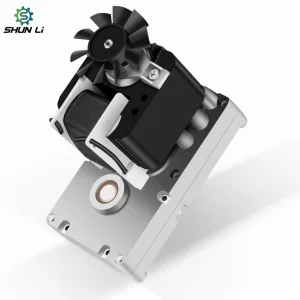
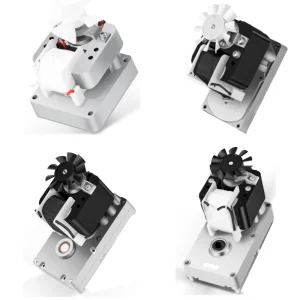
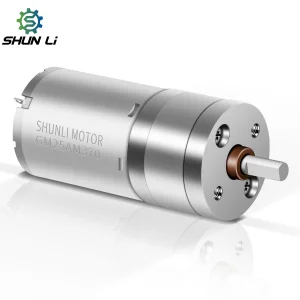
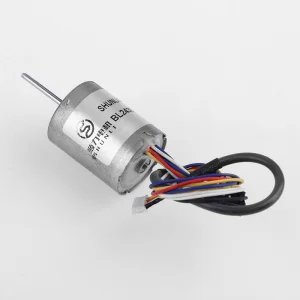
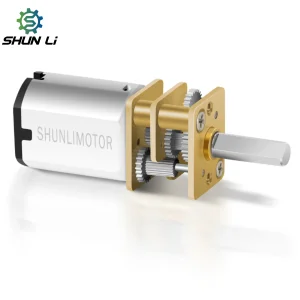
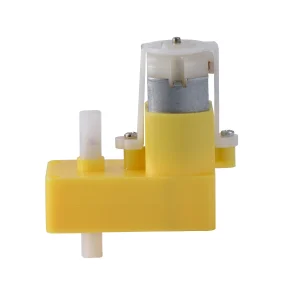
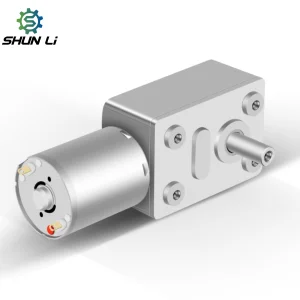
The global garment, home textile, and technical fabric processing industries depend entirely on the precision, durability, and response times of motor drives. As automation dictates the operational throughput of modern textile assembly lines, matching the mechanical parameters of a sewing machine motor to its electronic controls has evolved from standard procurement into an intensive engineering challenge.
"At KINOV Motor, we master the physics of rotation to power the technologies of tomorrow. As a premier certified manufacturer specializing in high-performance Micro DC Motors, DC Gear Motors, and Brushless DC Motors (BLDC), we have spent two decades engineering miniature motion solutions where high torque, silent acoustics, and enduring lifespans intersect."
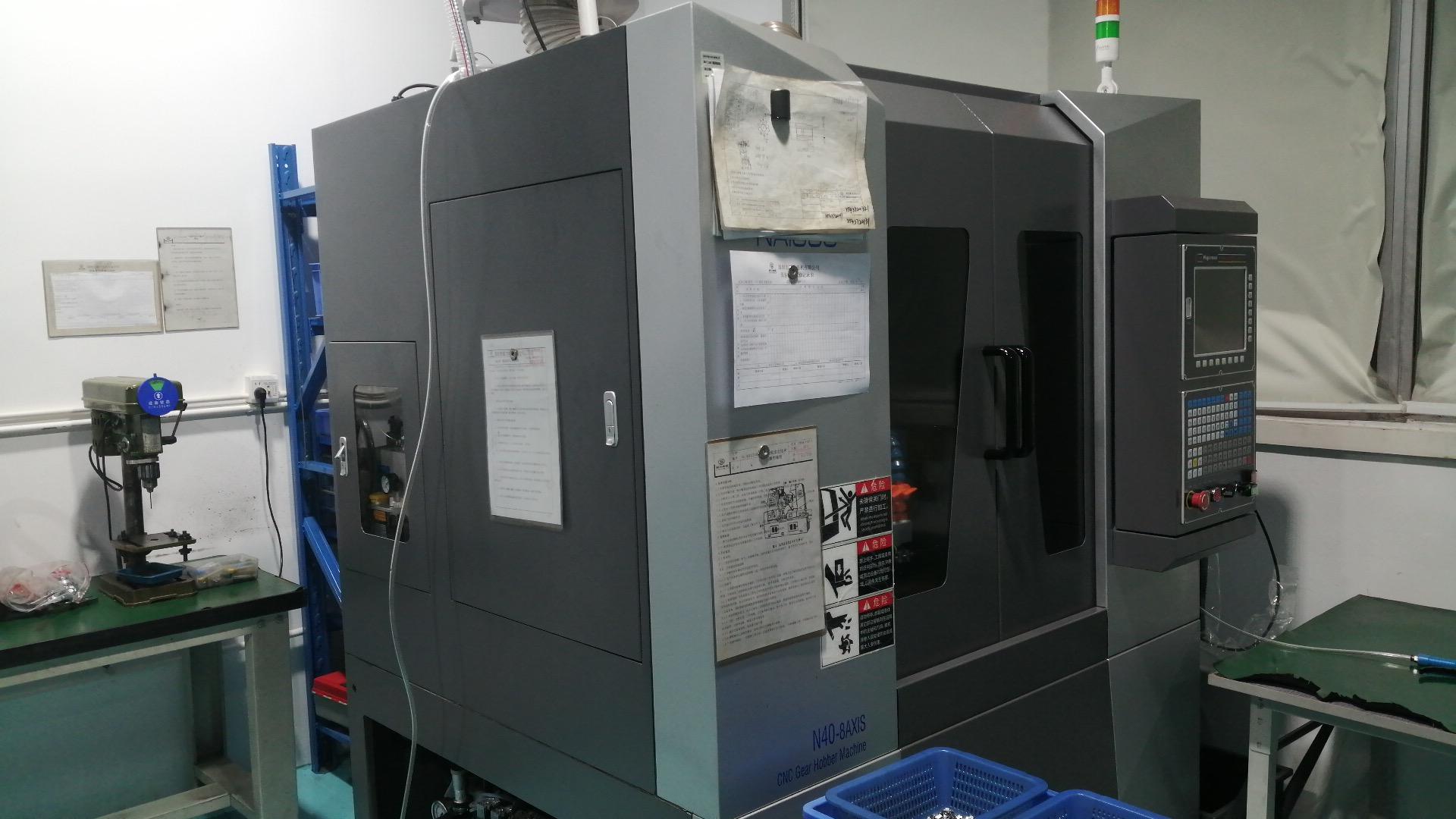
Our core mission revolves around addressing common technical issues encountered by OEMs globally—including rapid overheating under heavy starting loads, high high-frequency electromagnetic noise, and localized gear wear. Operating out of our ISO 9001-certified production facility, we utilize precision hobbing, fully automated computer wire winding, and multi-stage testing setups to make sure every motor model excels under demanding industrial conditions.

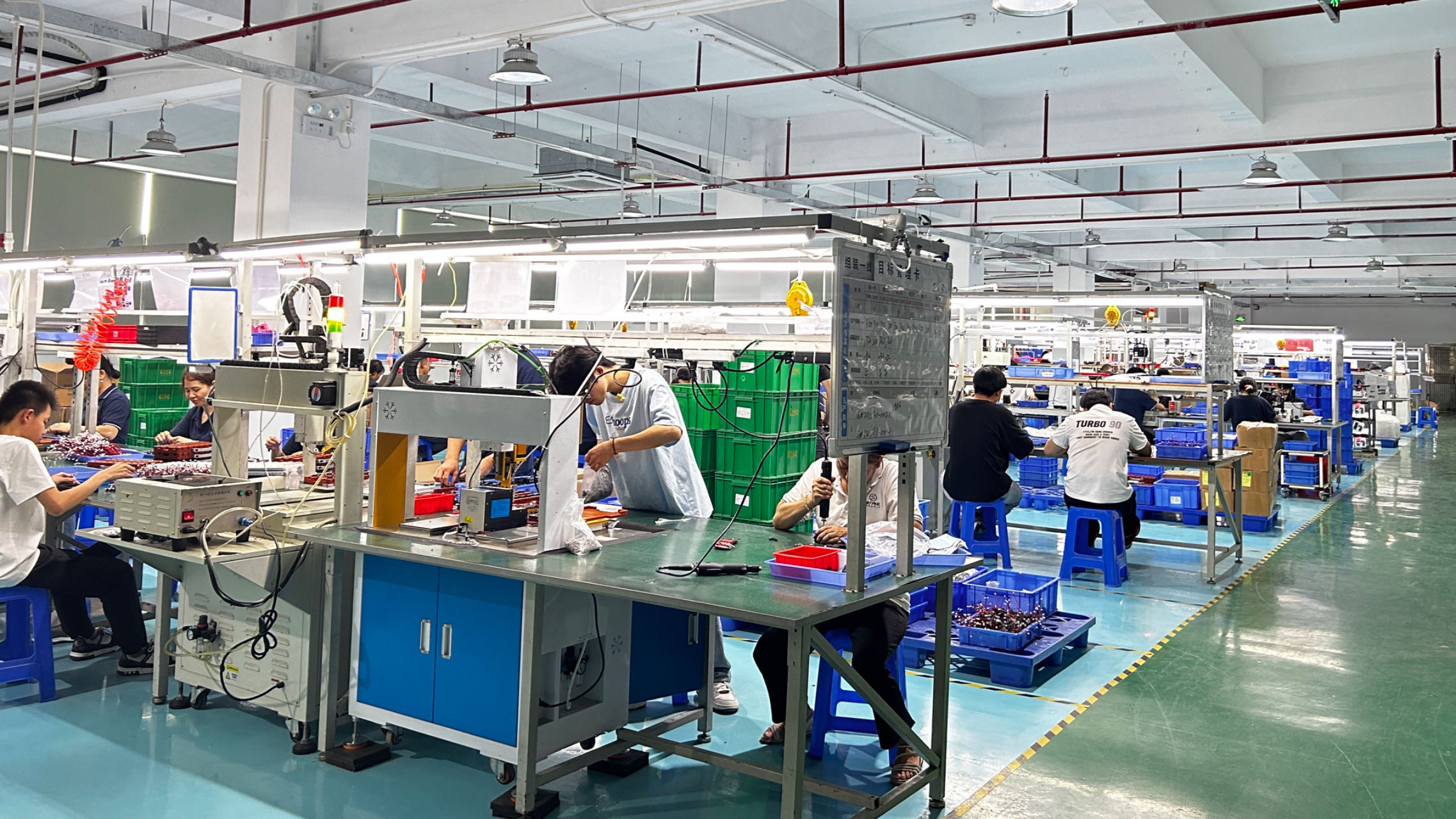
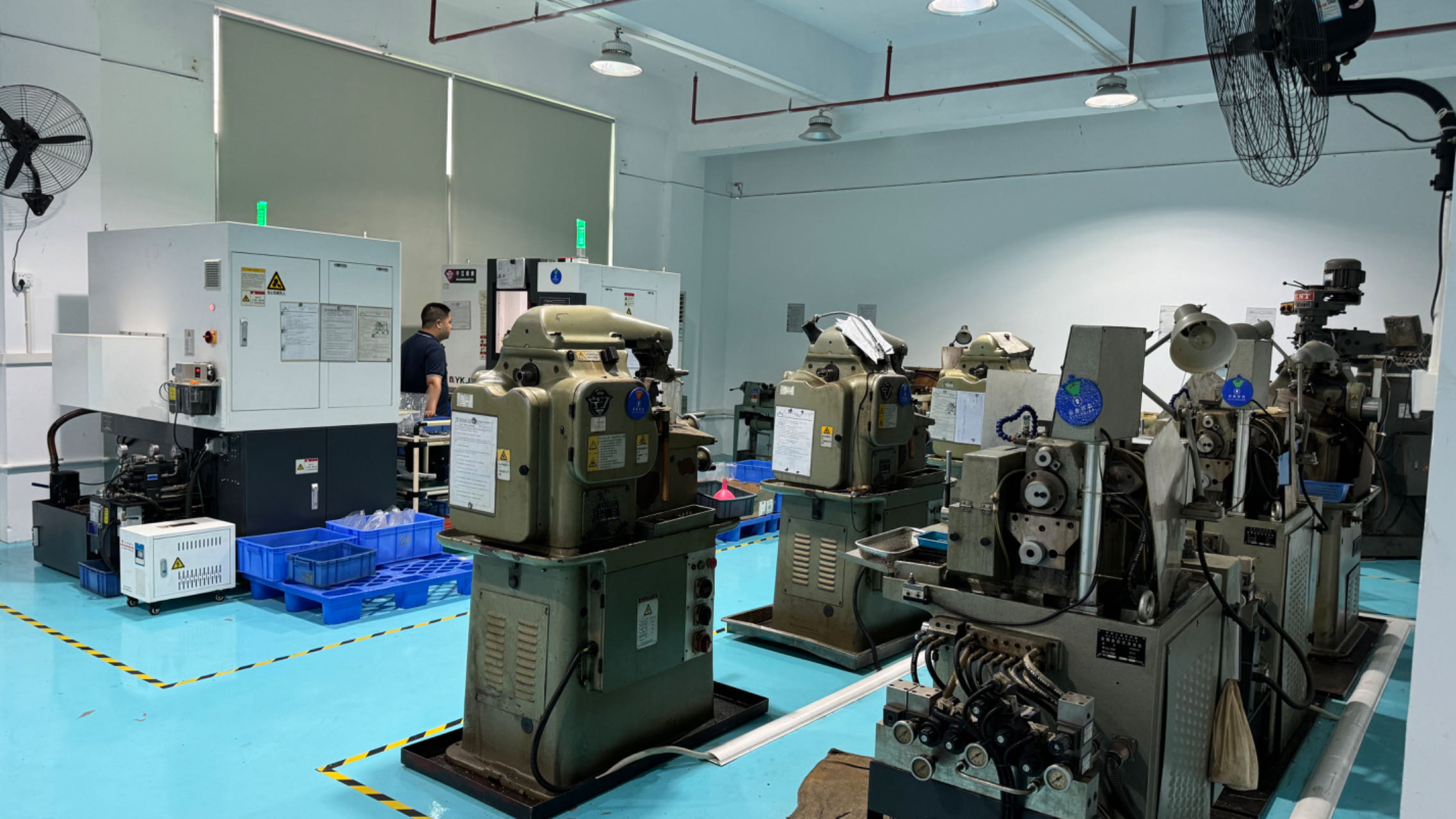
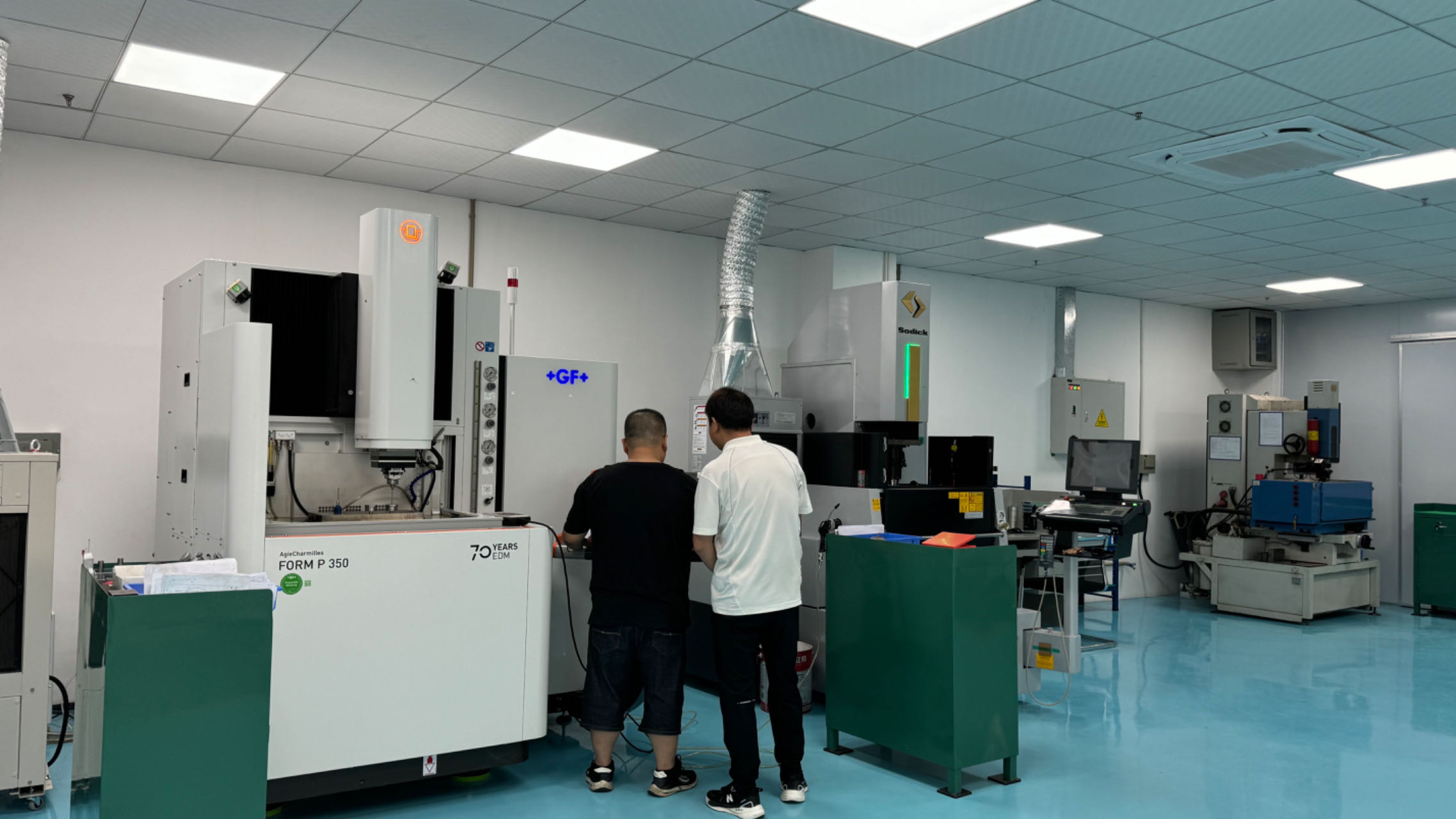
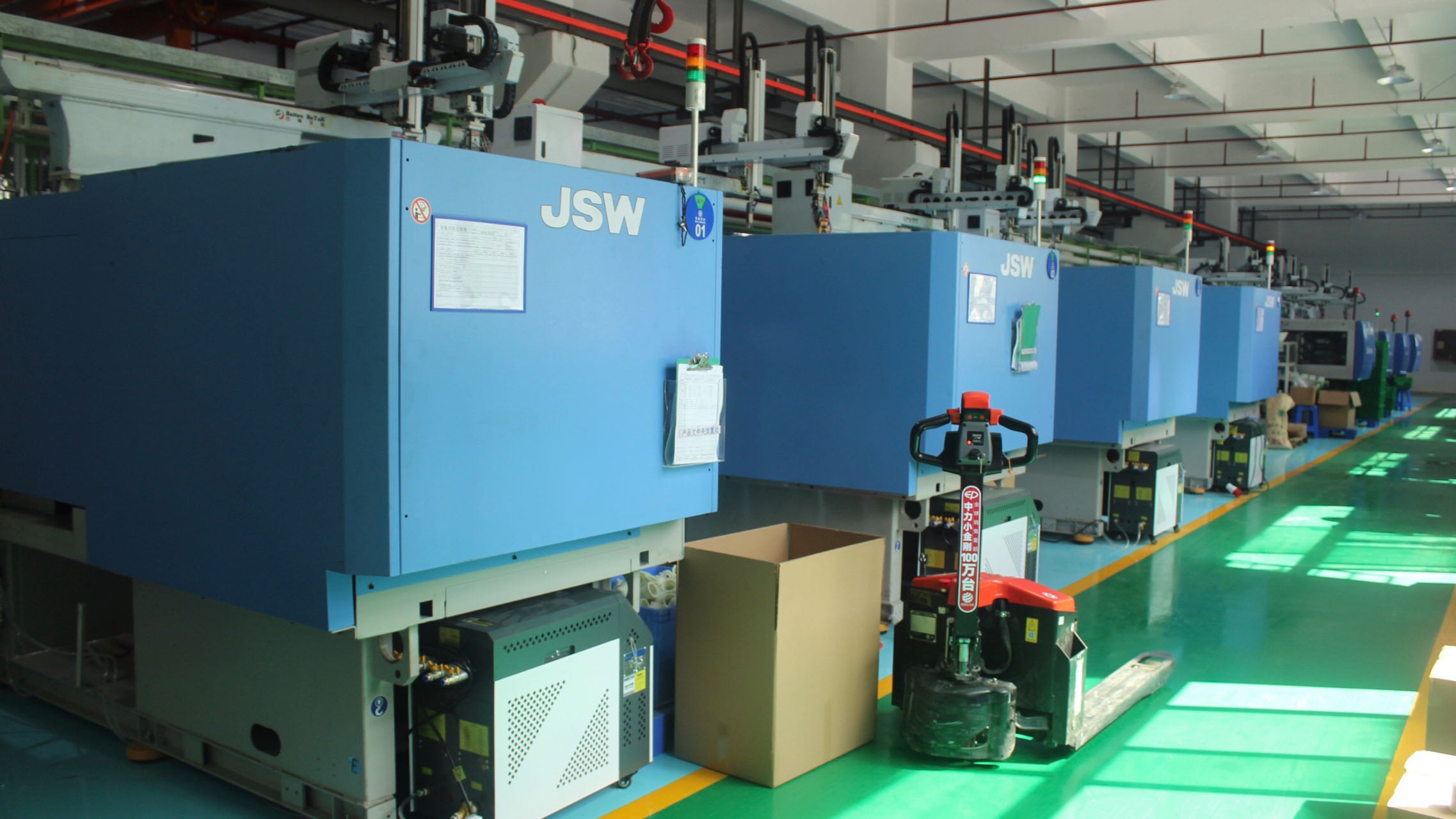
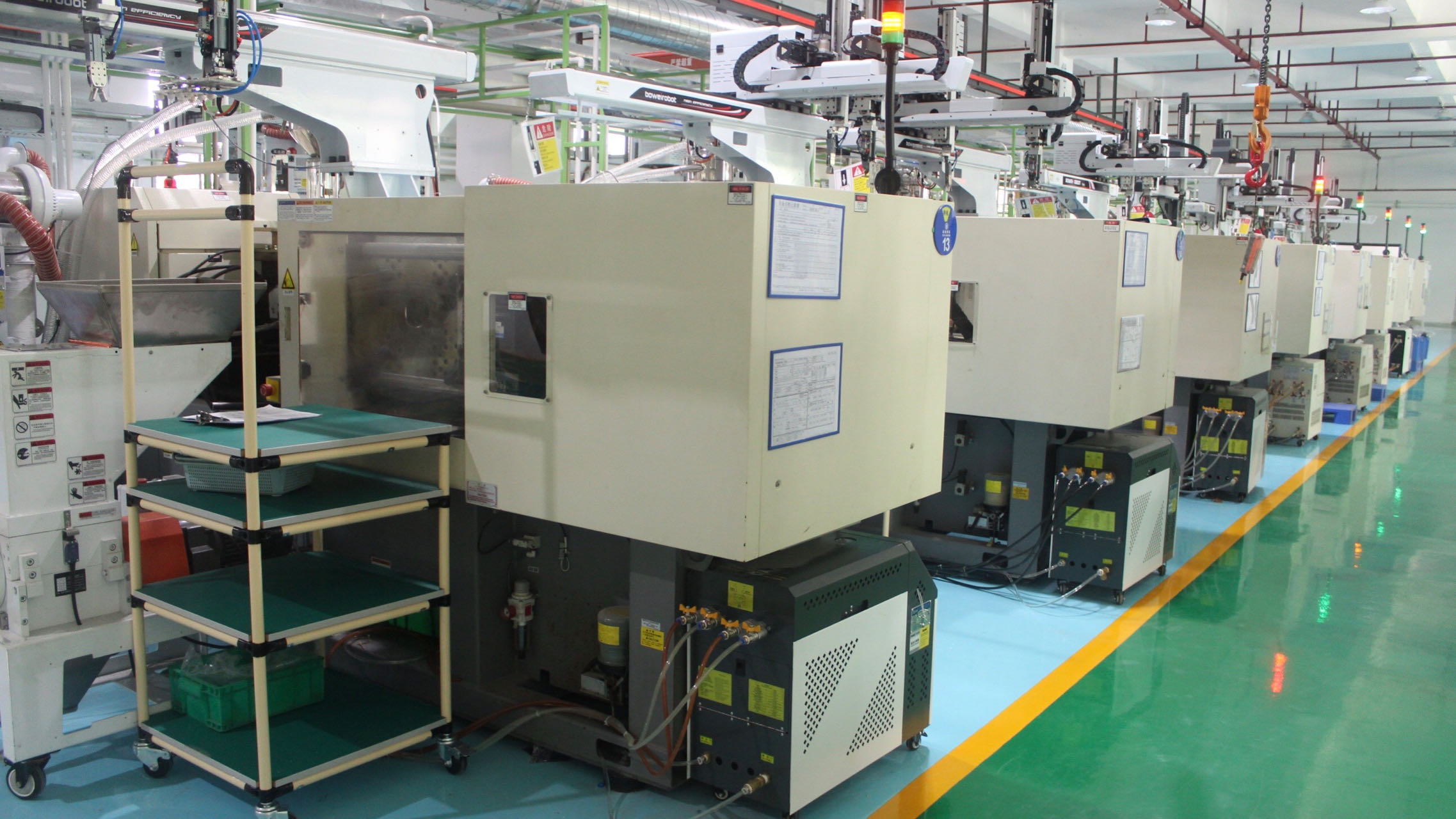
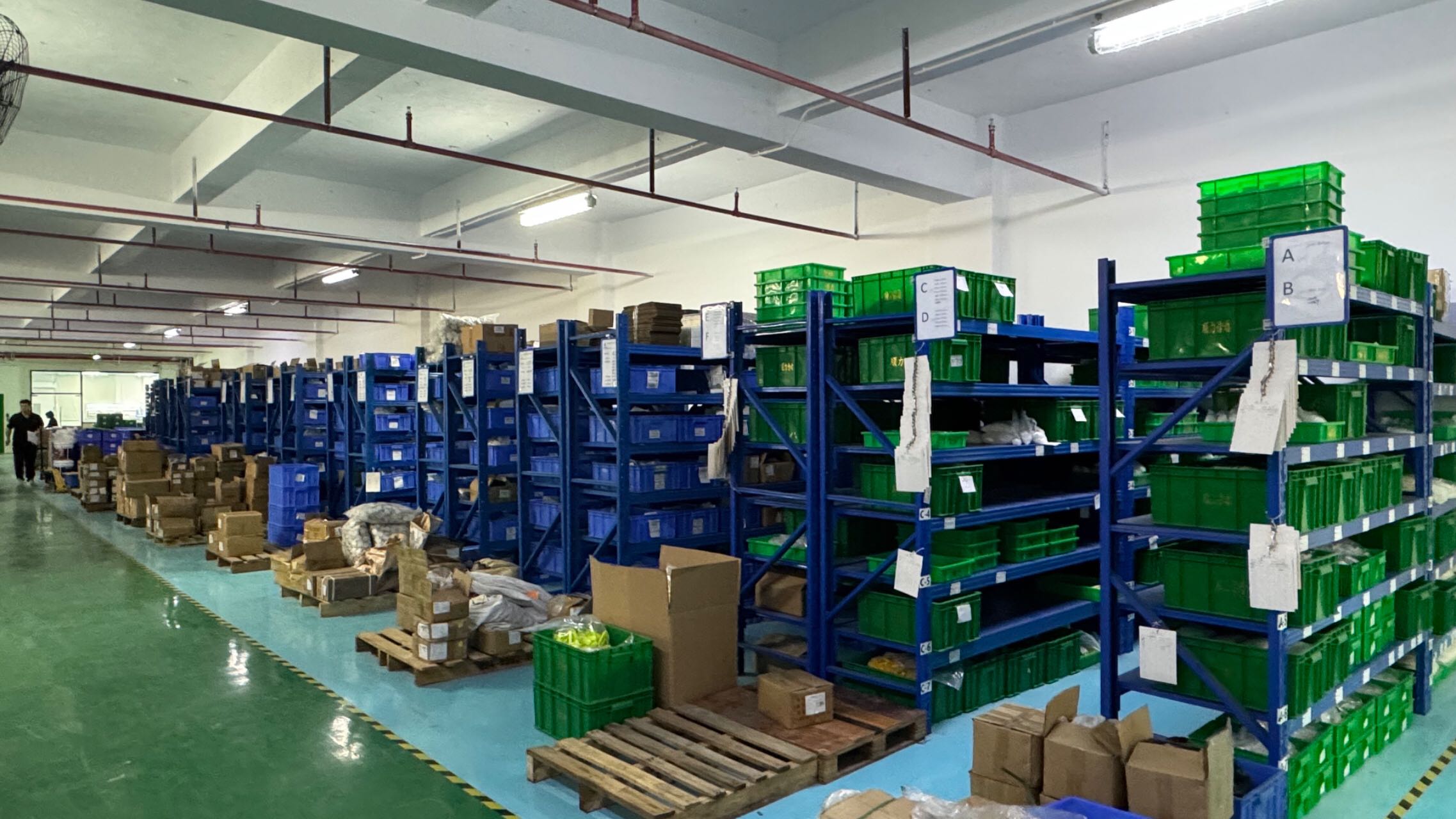
China remains the epicenter of the global motor manufacturing industry. This dominance is not simply based on labor costs; rather, it is sustained by an integrated ecosystem of raw material processing, magnetic metallurgy, automated component winding, and logistics.
"Operating from our state-of-the-art, ISO9001-certified manufacturing facility, KINOV Motor bridges the gap between China’s world-class supply chain efficiency and international engineering rigor. Our compact micro-drives are trusted globally by product designers and R&D engineers in smart home automation, medical equipment, automotive electronics, and precision robotics—performing flawlessly under strict space and load constraints."
By sourcing rare-earth permanent magnets (NdFeB), high-purity oxygen-free copper, and high-strength alloy steels within a 100-kilometer radius of our facility, we reduce logistics lead times and protect our operations from material price volatility. This integration enables us to execute rapid prototyping for complex gearmotors and worm gears while maintaining consistency across high-volume production runs.

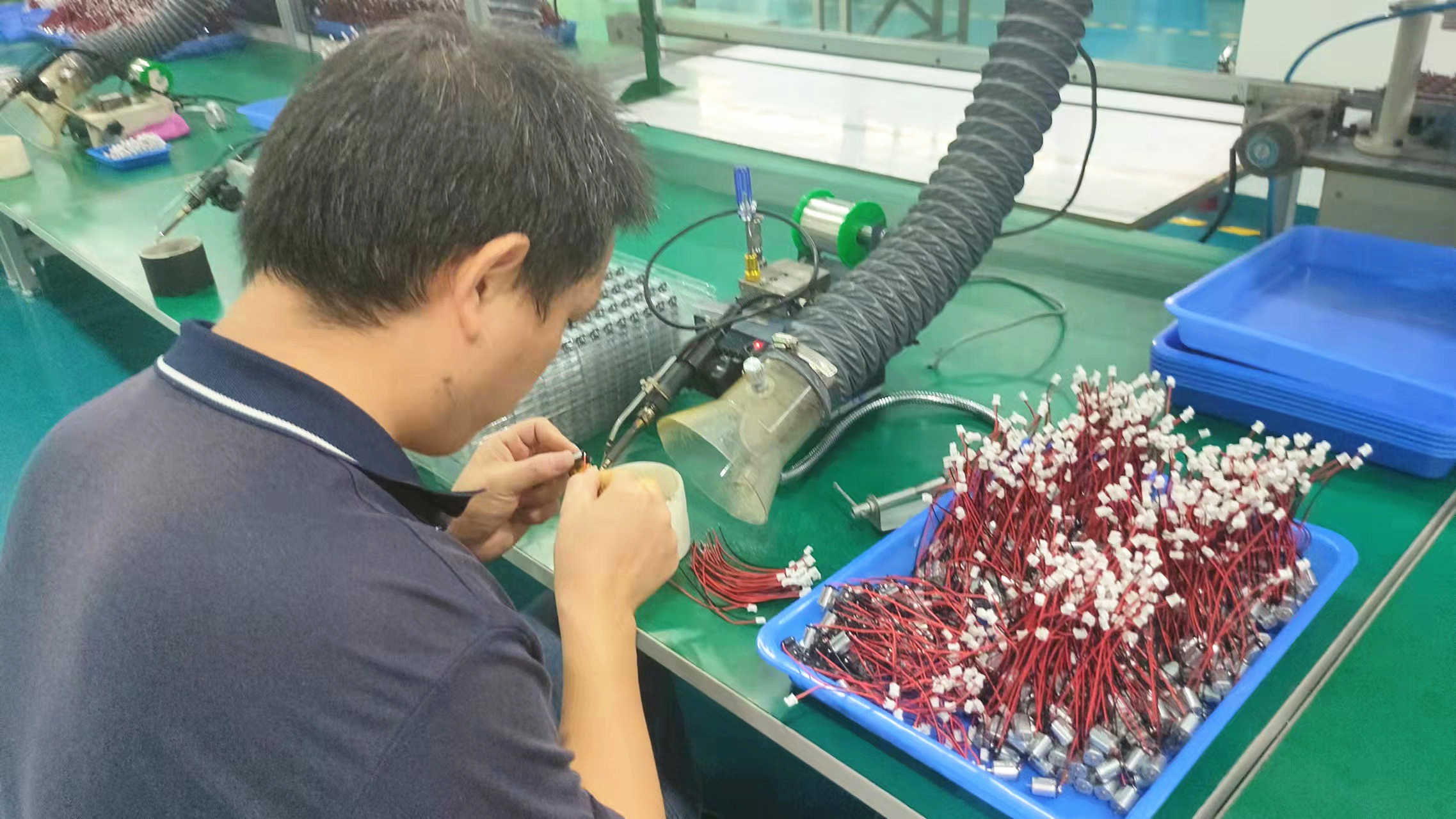
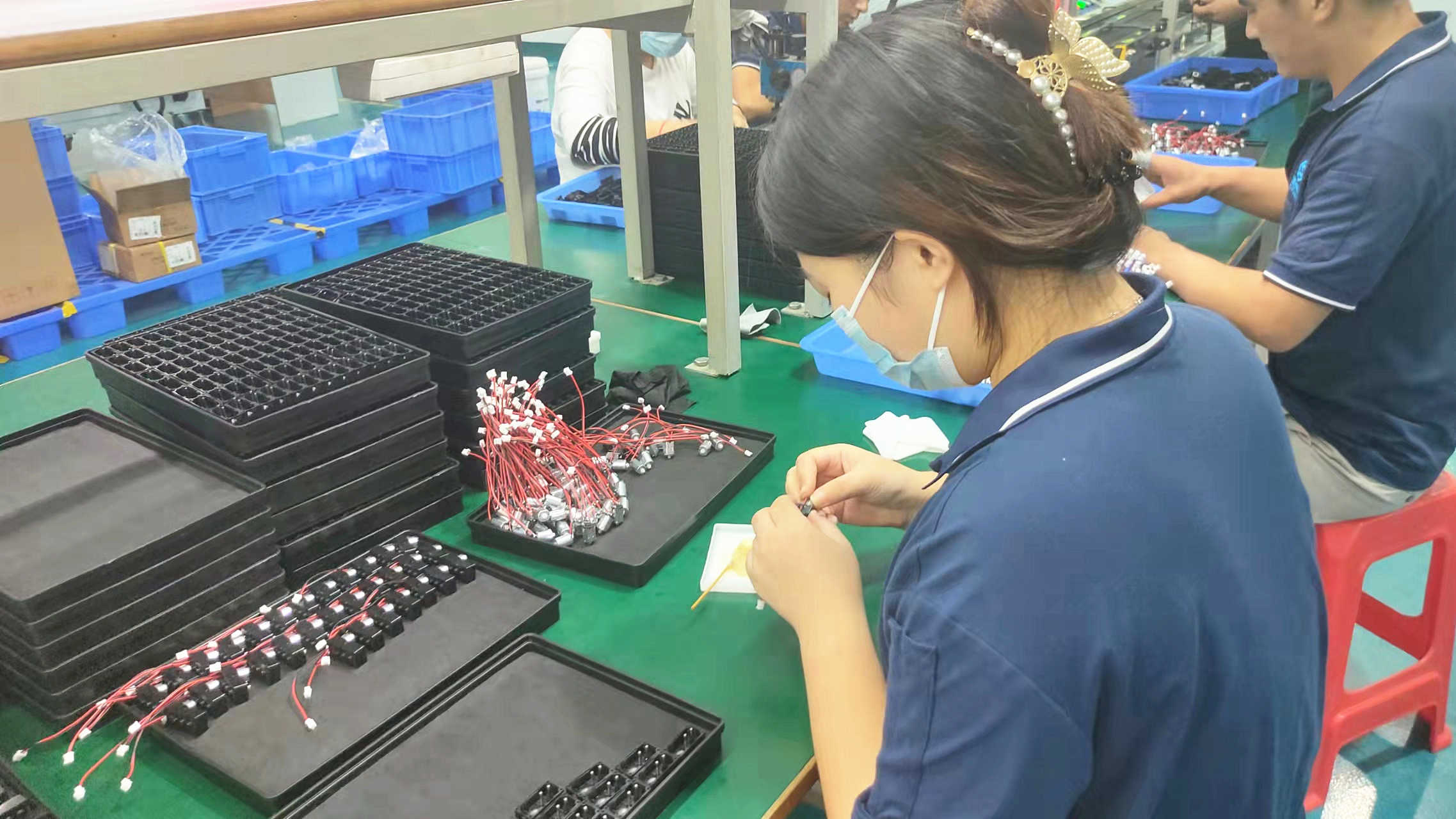
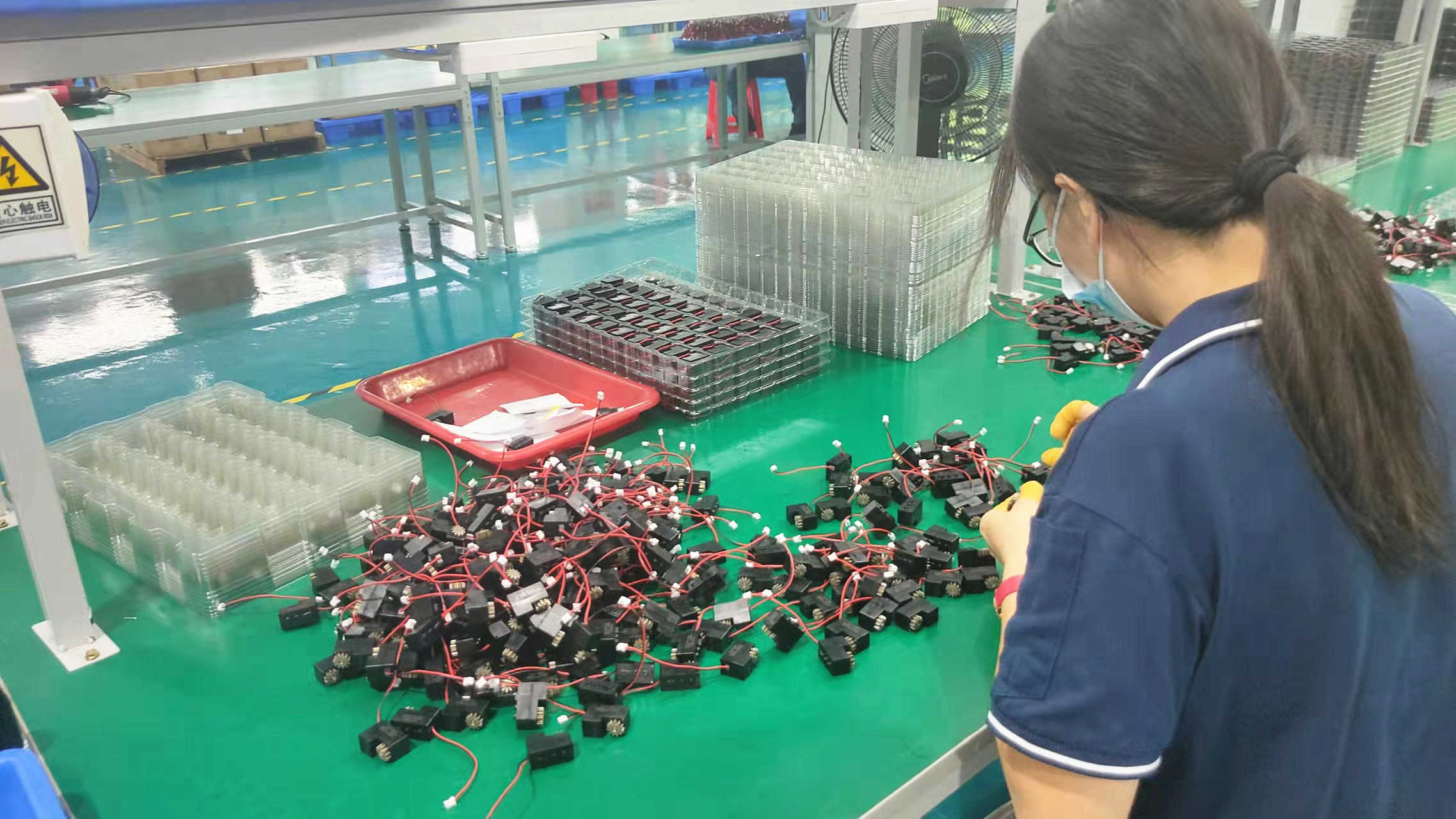
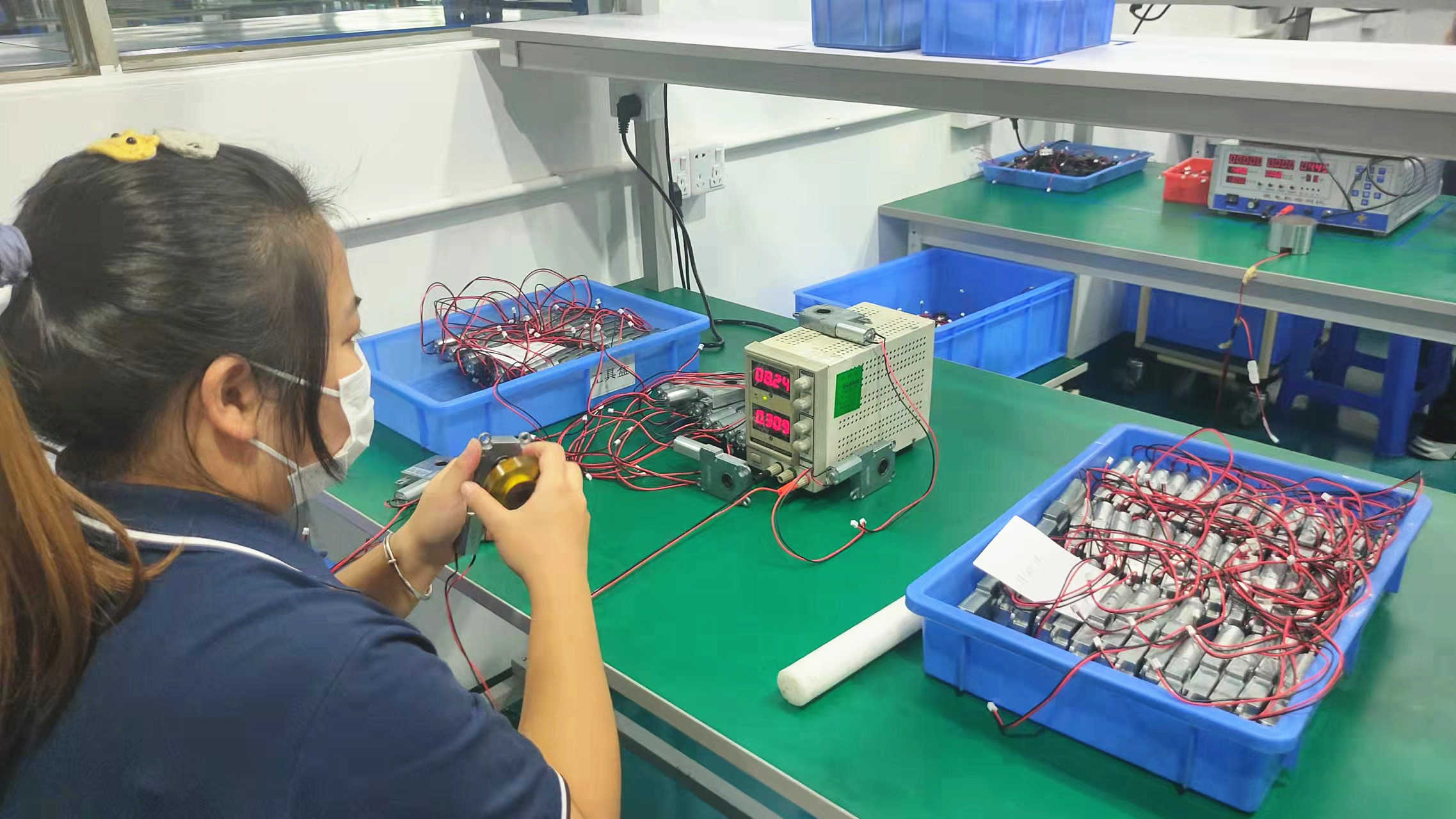
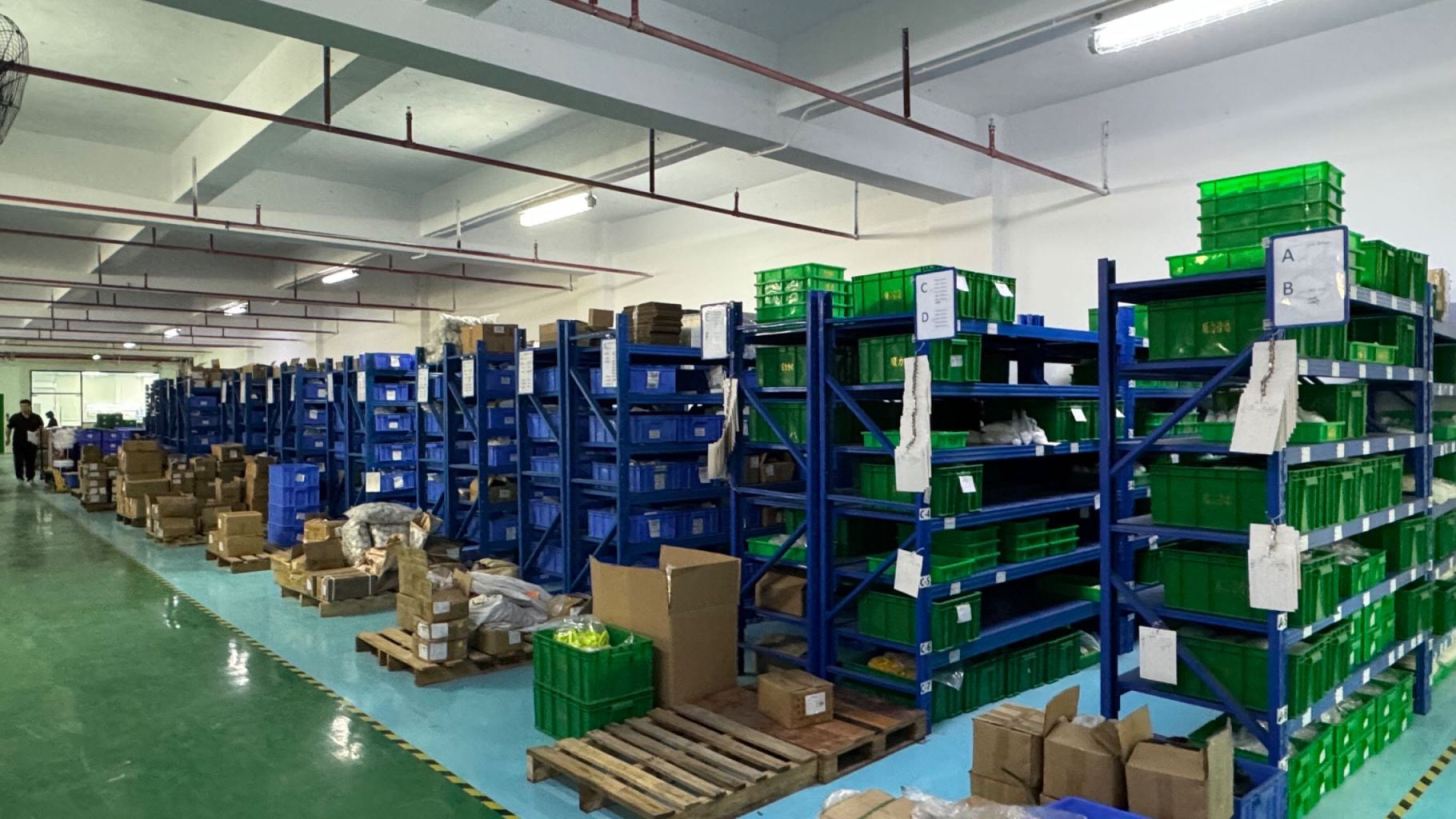
Commercial sewing machine motors demand unique speed-torque profiles. A generic off-the-shelf motor often fails to deliver the high starting torque needed to pierce heavy denim, leather, or composite materials, or the responsive braking required to stop stitching instantly.
"We don’t believe in one-size-fits-all hardware. KINOV Motor thrives on flexible OEM/ODM custom engineering. Backed by an elite in-house technical team holding multiple motor-tech patents, we offer rapid prototyping and seamless technical support. From specialized gear ratios and custom shaft configurations to precise voltage tuning, we design the silent, robust KINOV Motor that drives your product's success."
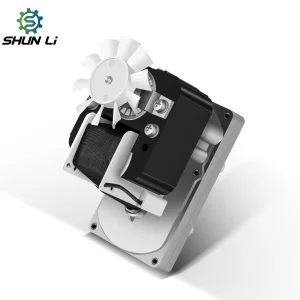
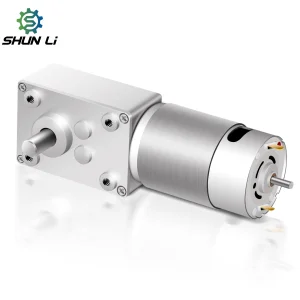
Whether integrating a 12V DC worm gear motor with a magnetic encoder for closed-loop positioning, or modifying an AC shaded pole gear motor for auxiliary tensioners, our engineers configure every element. This includes rotor diameter, wire turns, magnet grades, and gear ratios to maximize mechanical efficiency while keeping operating temperatures within acceptable thermal limits.
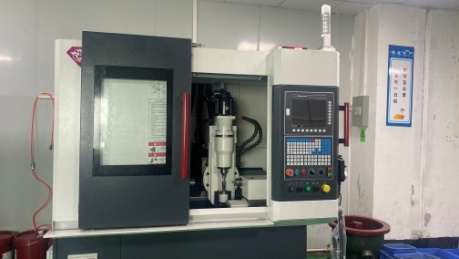
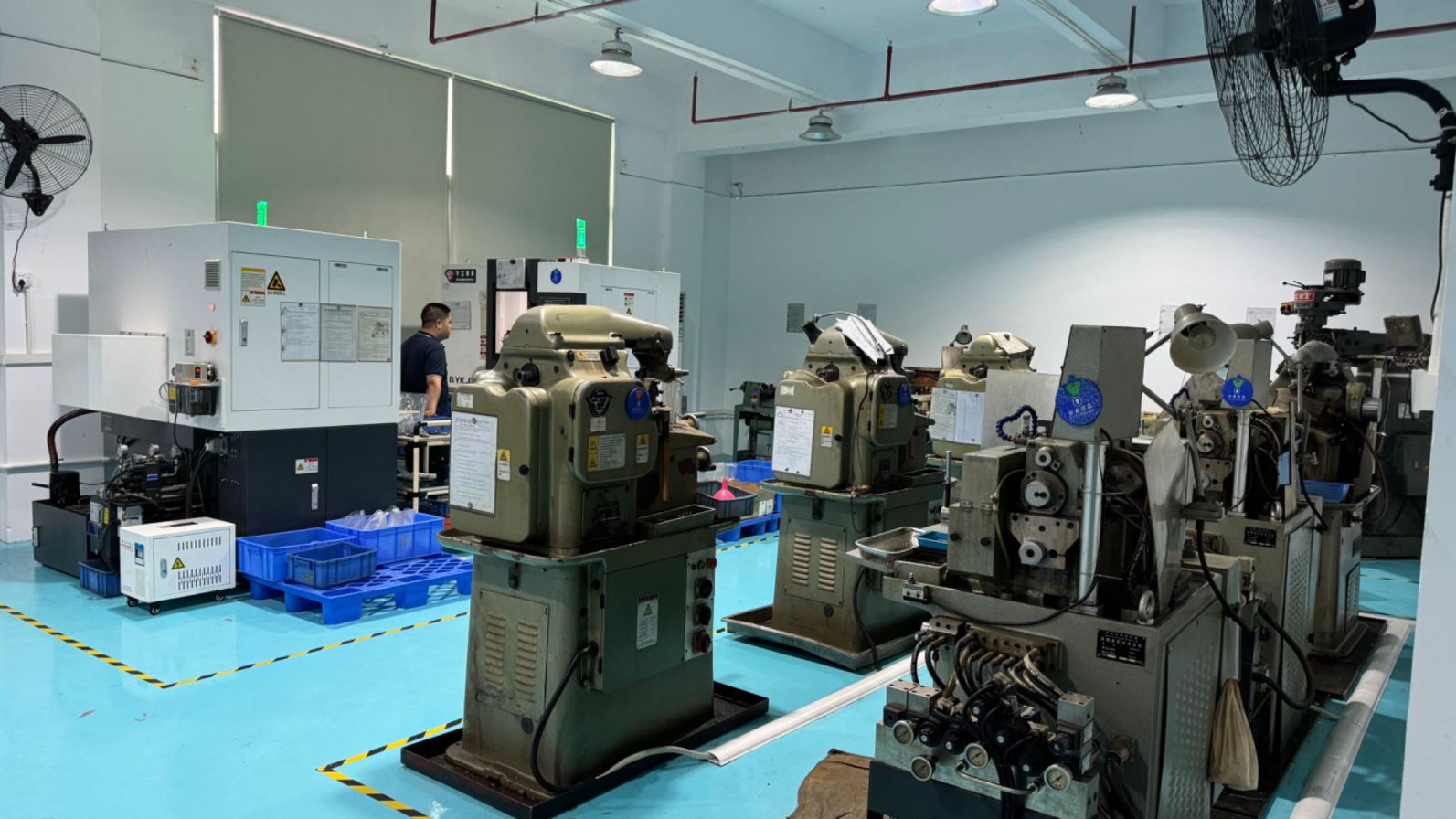
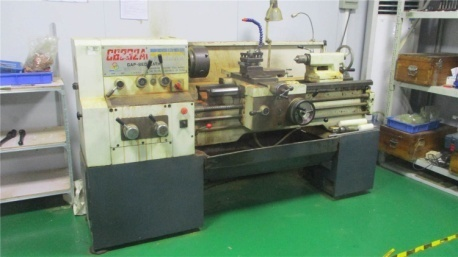
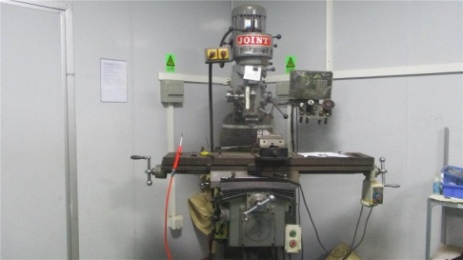
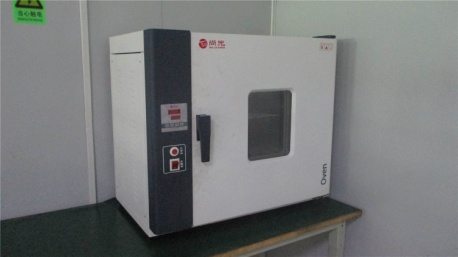
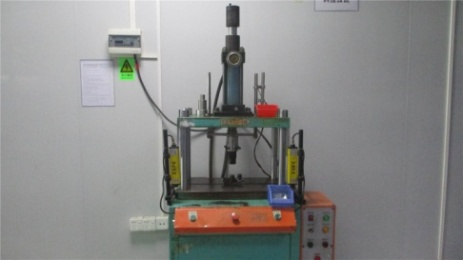
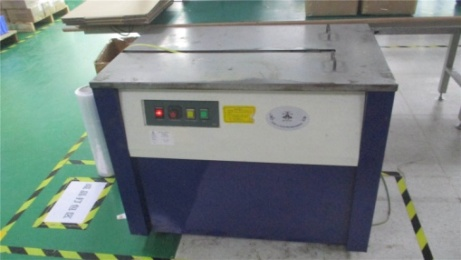
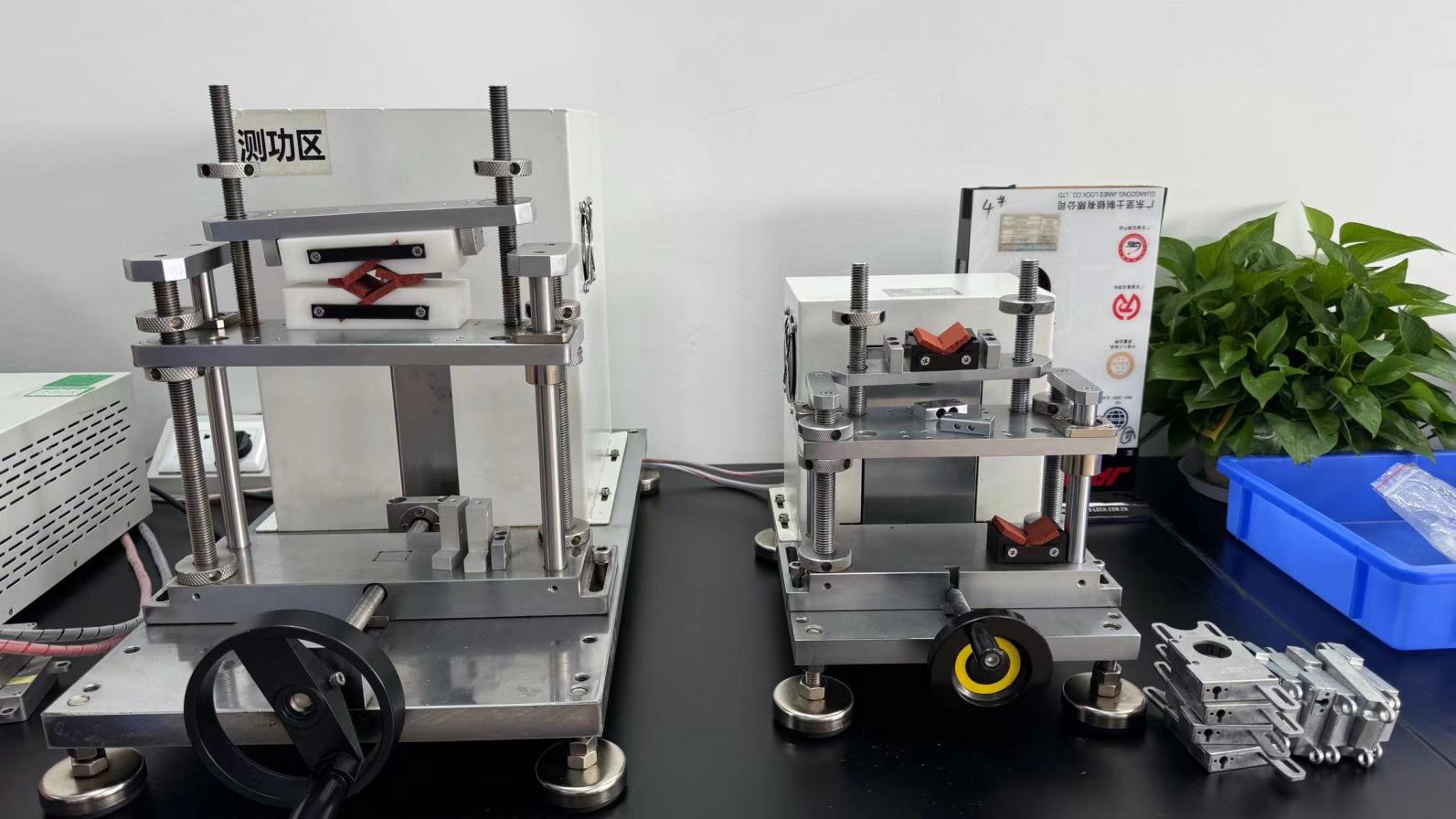
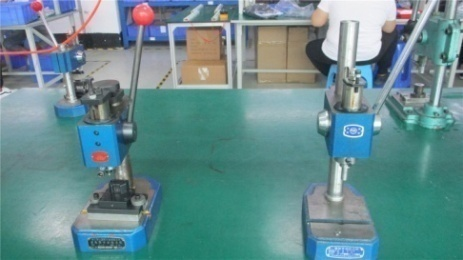
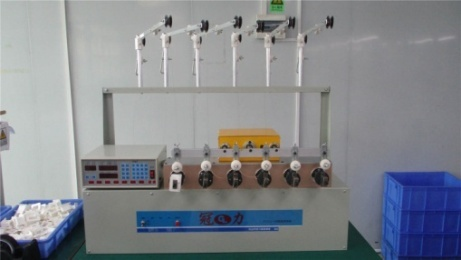
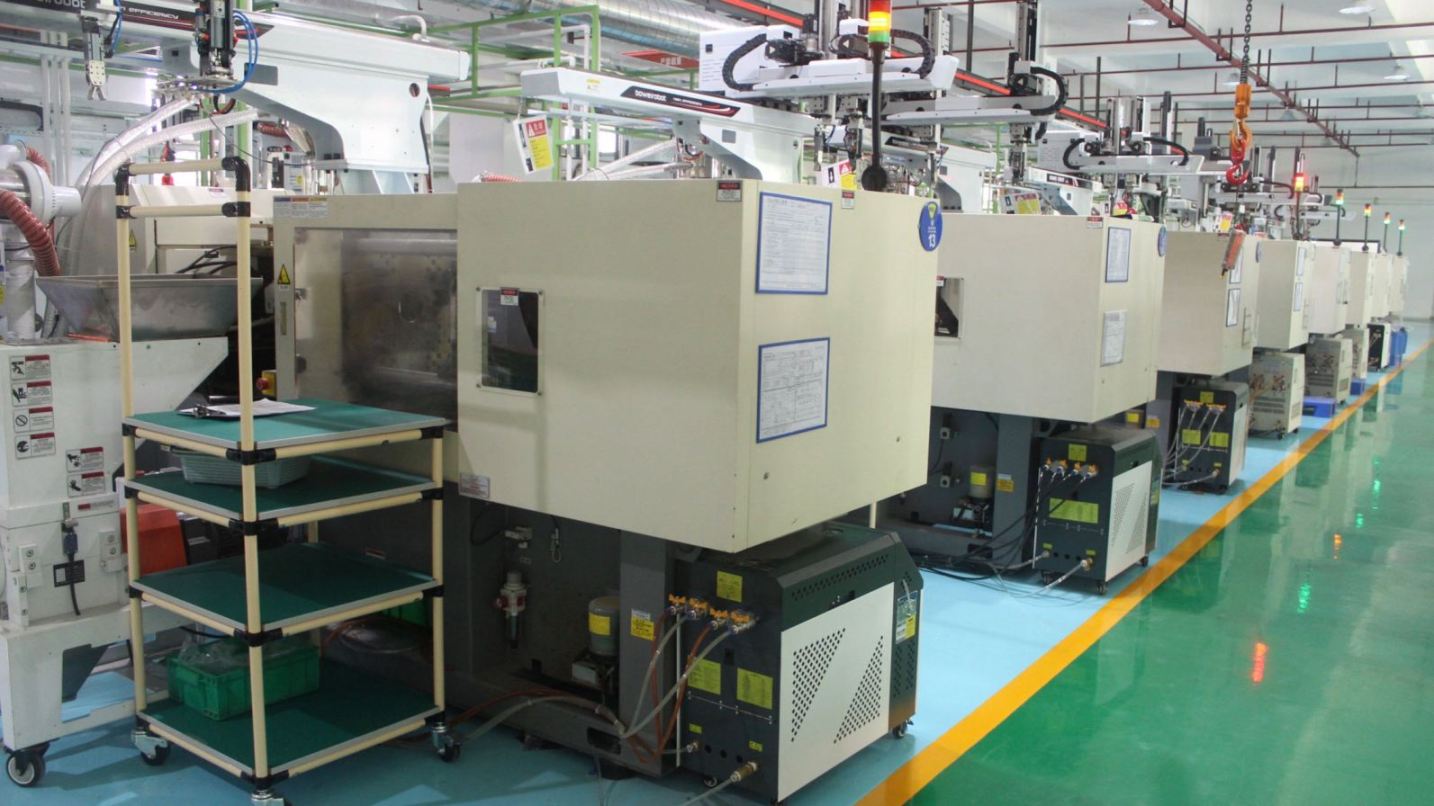
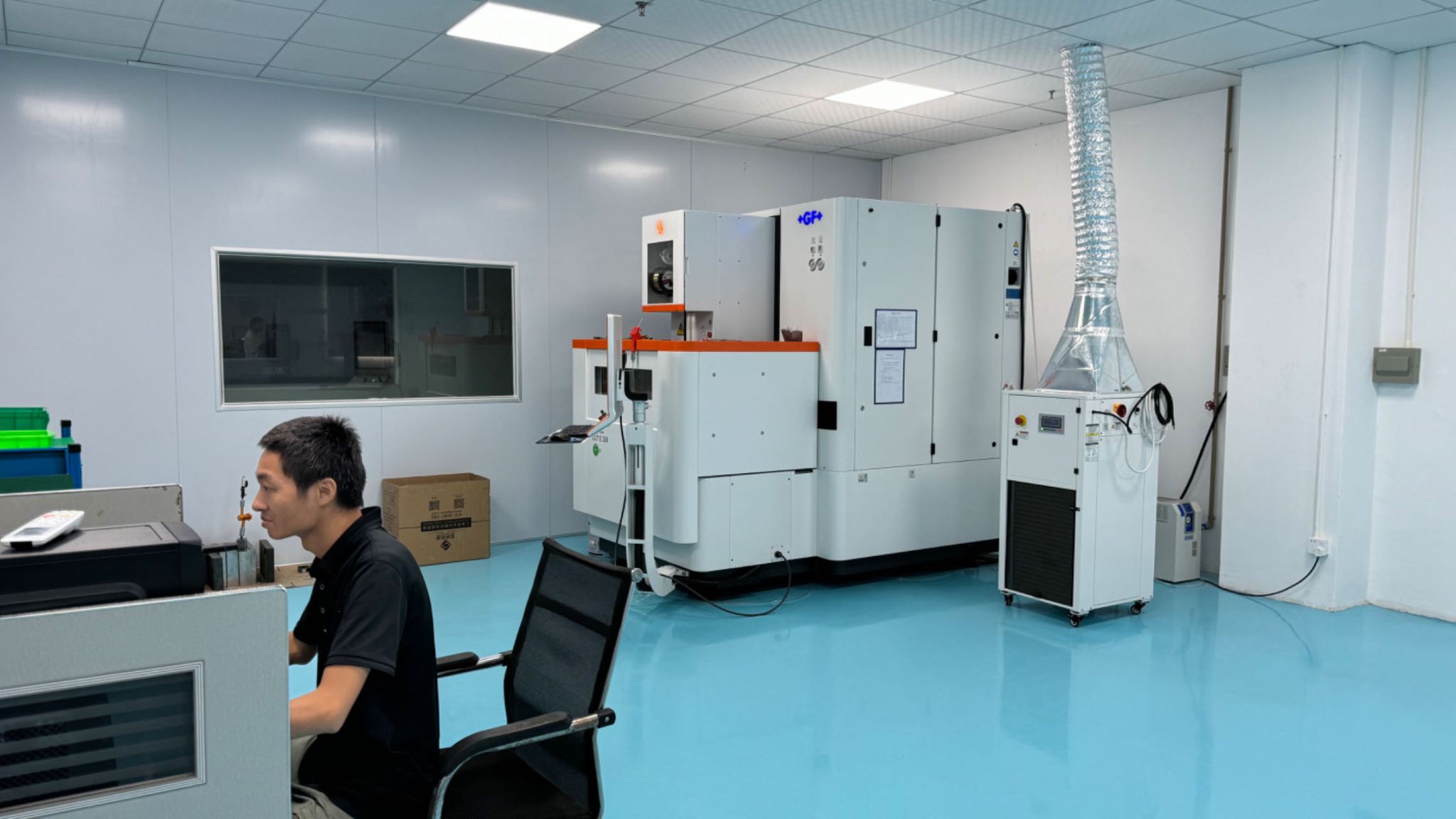
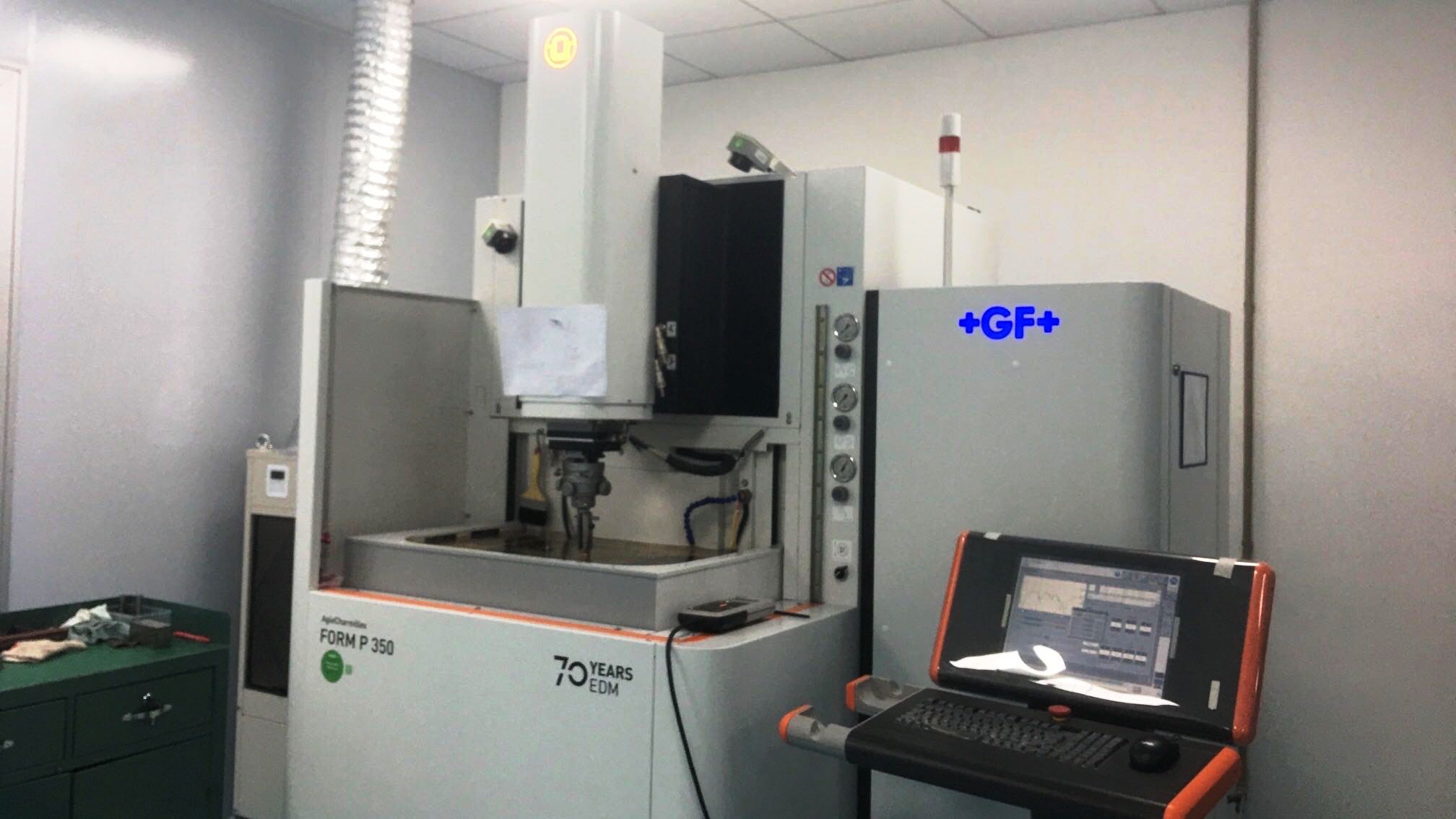
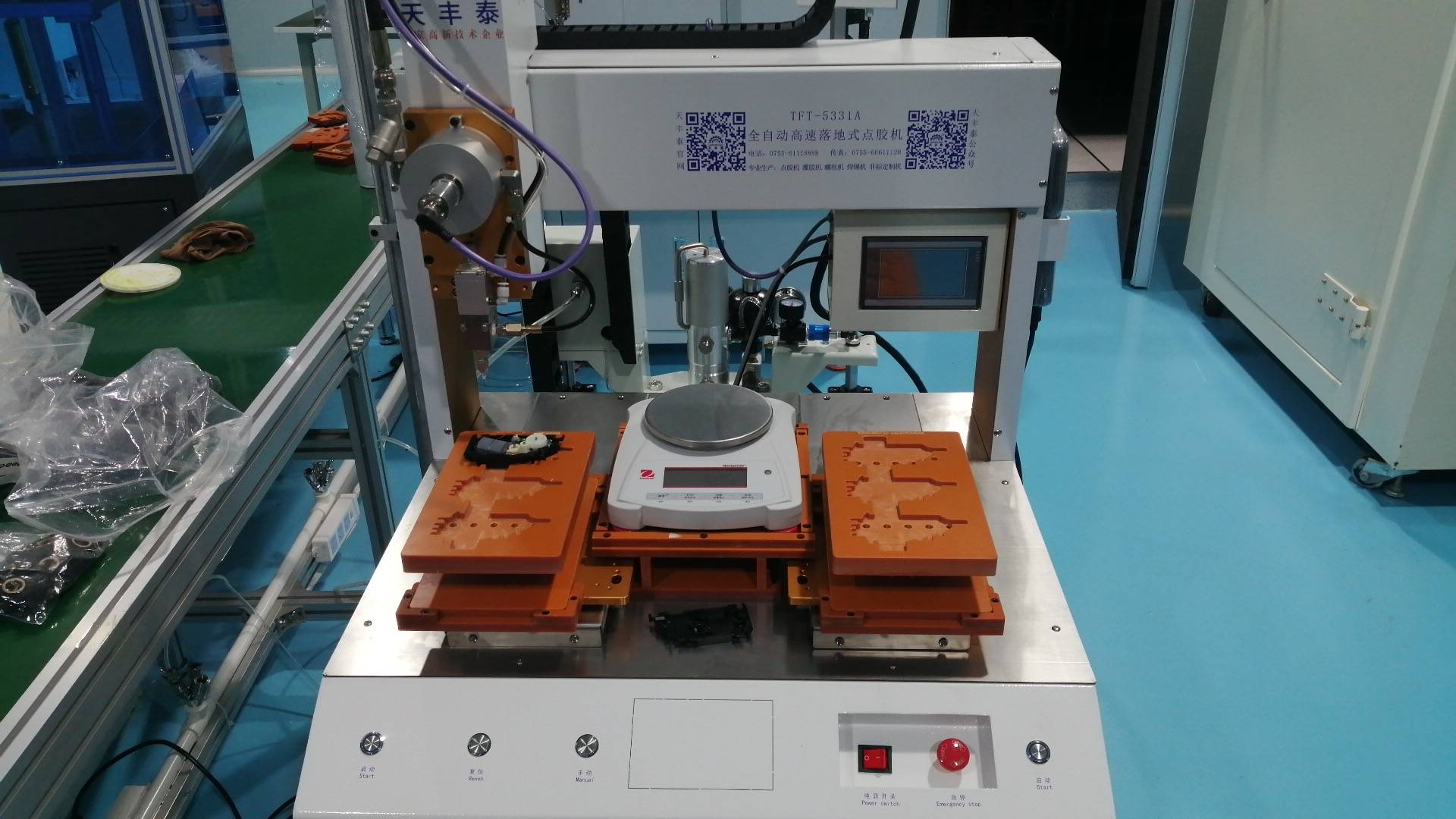
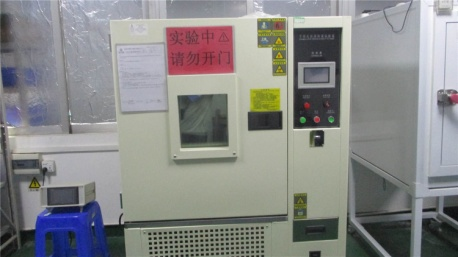
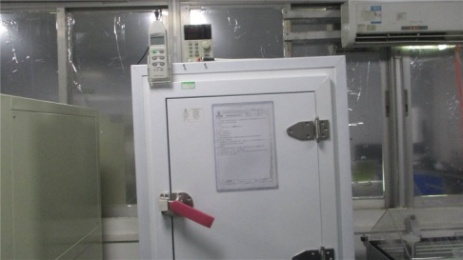
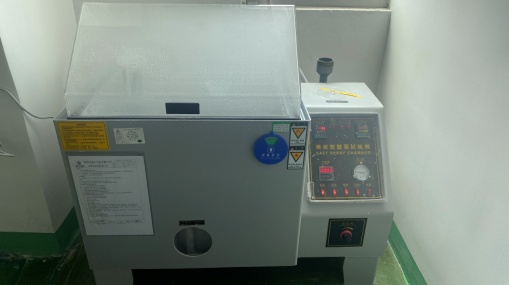
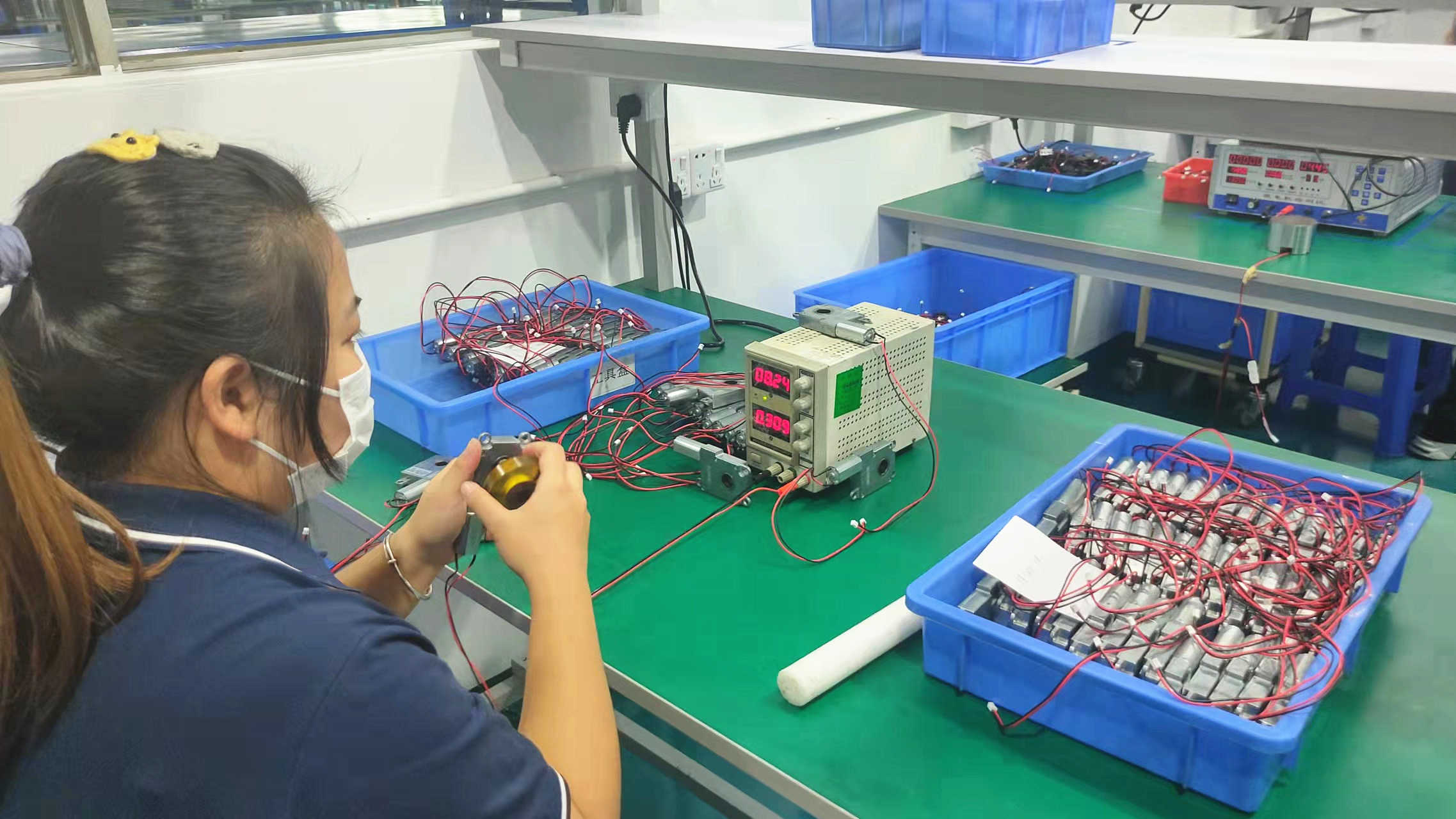
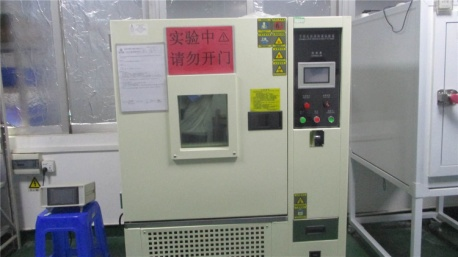
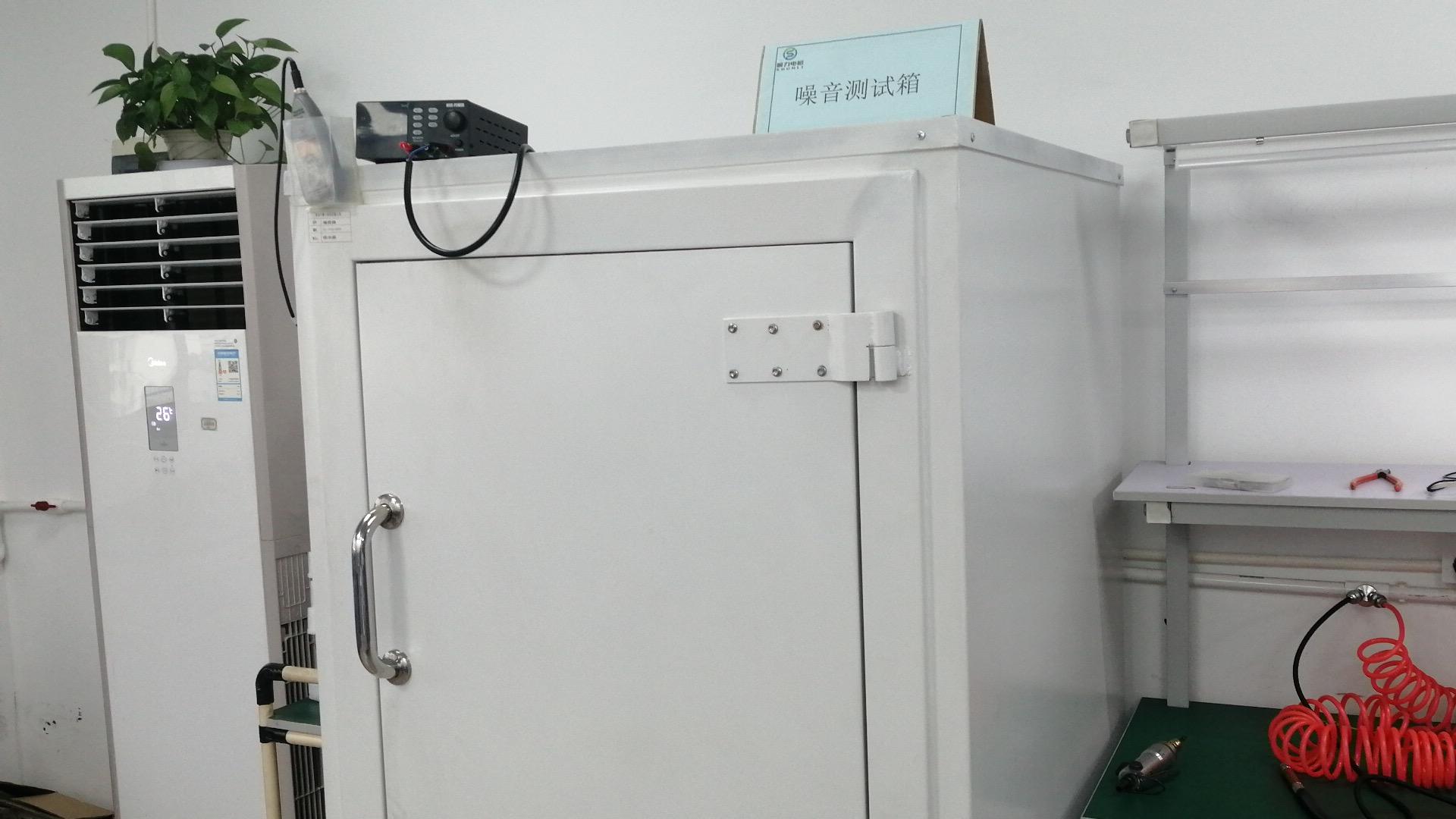
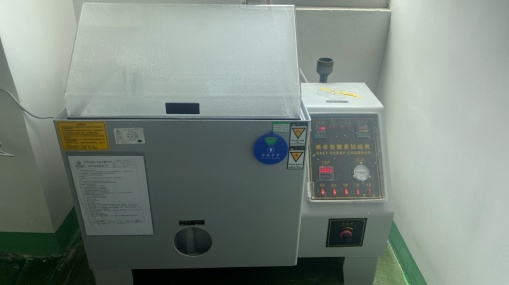
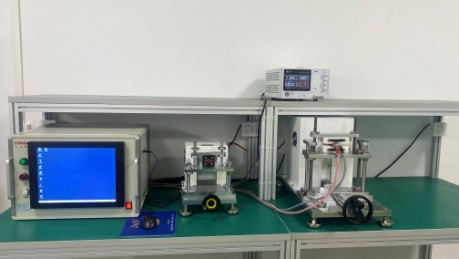
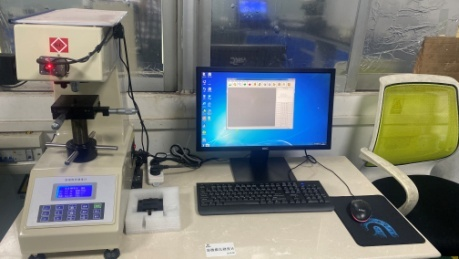
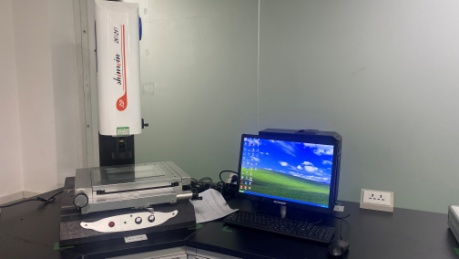
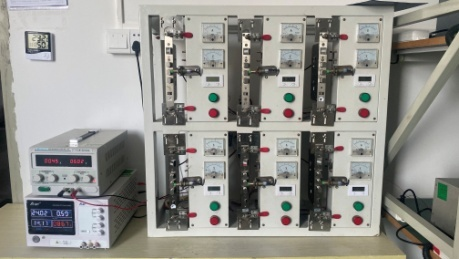
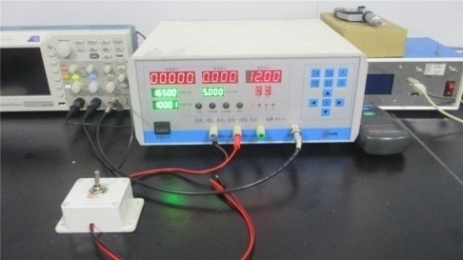
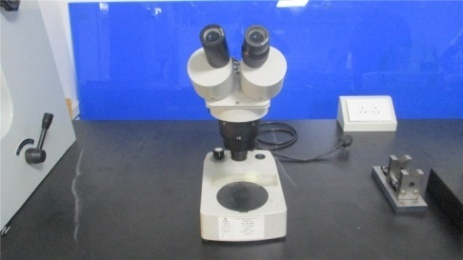
To verify reliability, we maintain dedicated testing infrastructure. Our QA facility monitors design validation, environmental testing, and final product inspections. By checking shaft runout, torque profiles, insulation resistances, and mechanical efficiency at every stage, we prevent early motor failures.
Our validation process utilizes specialized testing equipment to monitor variables like temperature, humidity, noise levels, and load performance.
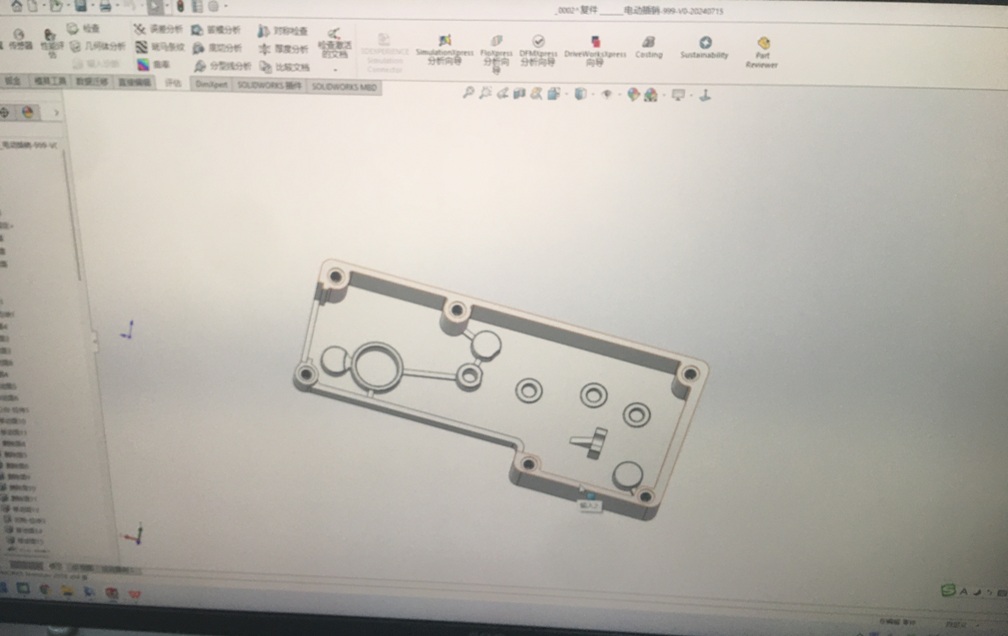
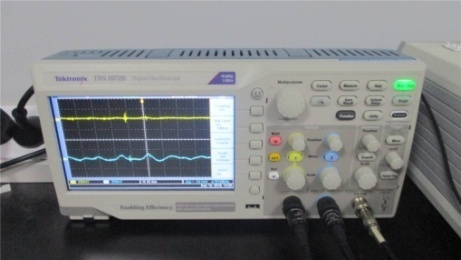
Exporting sewing machine motors globally requires adhering to regional regulatory frameworks. Motors destined for the European Union must carry the CE mark, verify RoHS and REACH compliance, and meet low-voltage directives. For North America, UL/CSA safety certifications are critical, along with compliance to FCC Part 15 regulations regarding electromagnetic interference.
Our engineering team designs each motor with electromagnetic compatibility (EMC) in mind, incorporating integrated varistors, capacitors, or choke coils to suppress electrical noise. We also offer localized support packages, including custom wiring harnesses, standardized quick-connect terminals, and technical integration documentation. This simplifies assembly for local manufacturers and shortens installation times.
The sewing machine motor sector is experiencing several technological shifts:
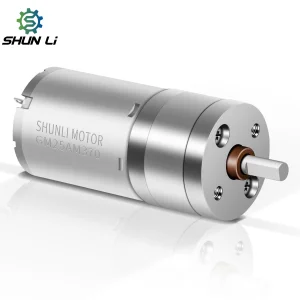
DC Gear Motors provide high starting torque, linear speed-torque control, and operate at lower voltages (such as 12V or 24V), making them suitable for variable speed control and smart automation. AC Shaded Pole Motors are simpler, cost-effective, and connect directly to AC grid power (110V/220V). However, they exhibit lower starting torque and lower efficiency, which typically limits them to constant-speed auxiliary mechanisms.
A magnetic encoder reads the rotation of the motor's shaft and feeds this positioning data back to the central controller. This feedback allows the system to monitor speed, acceleration, and shaft position in real time. For sewing operations, this enables precise needle positioning (e.g., stopping the needle in the up or down position) and supports automated stitching programs.
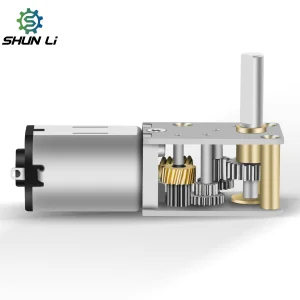
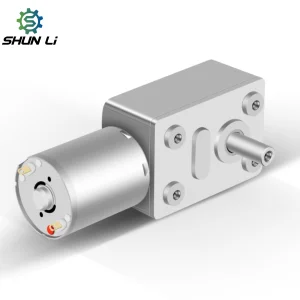
Worm gear arrangements feature a 90-degree output angle, which helps fit motors into compact spaces. They also provide natural self-locking characteristics: the worm can drive the gear, but external forces on the gear cannot rotate the worm. This design locks the needle assembly in place when the power is cut, preventing accidental needle movement.
For Europe, imports must comply with CE directives, including the Low Voltage Directive (LVD) and Electromagnetic Compatibility (EMC) requirements, as well as RoHS/REACH material regulations. For the US, motors generally require UL or CSA safety certifications and must comply with FCC emission limits to prevent electromagnetic interference with surrounding electronics.
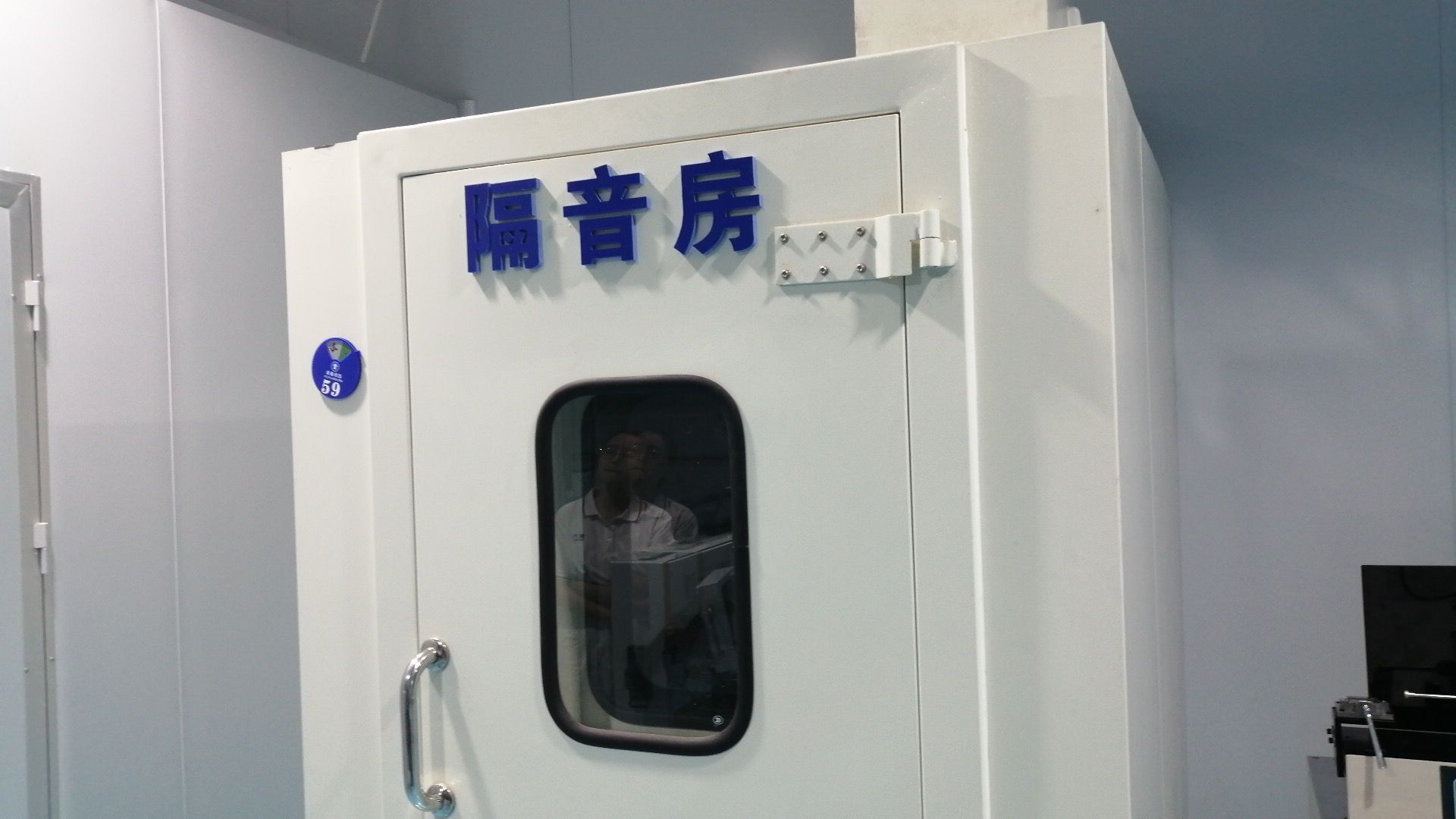
Our facility utilizes dedicated soundproof testing chambers to verify acoustic performance. We design motor brackets to minimize resonance, dynamically balance rotors, and specify high-precision bearings to keep operating noise below standard limits, making these motors suitable for home and office equipment.
Standard prototype modifications, such as custom shaft profiles or modified winding specifications, are typically completed within 15 to 20 business days. Custom structural designs requiring new gear housing molds or gear sets generally require 35 to 45 days, depending on tooling and component complexity.
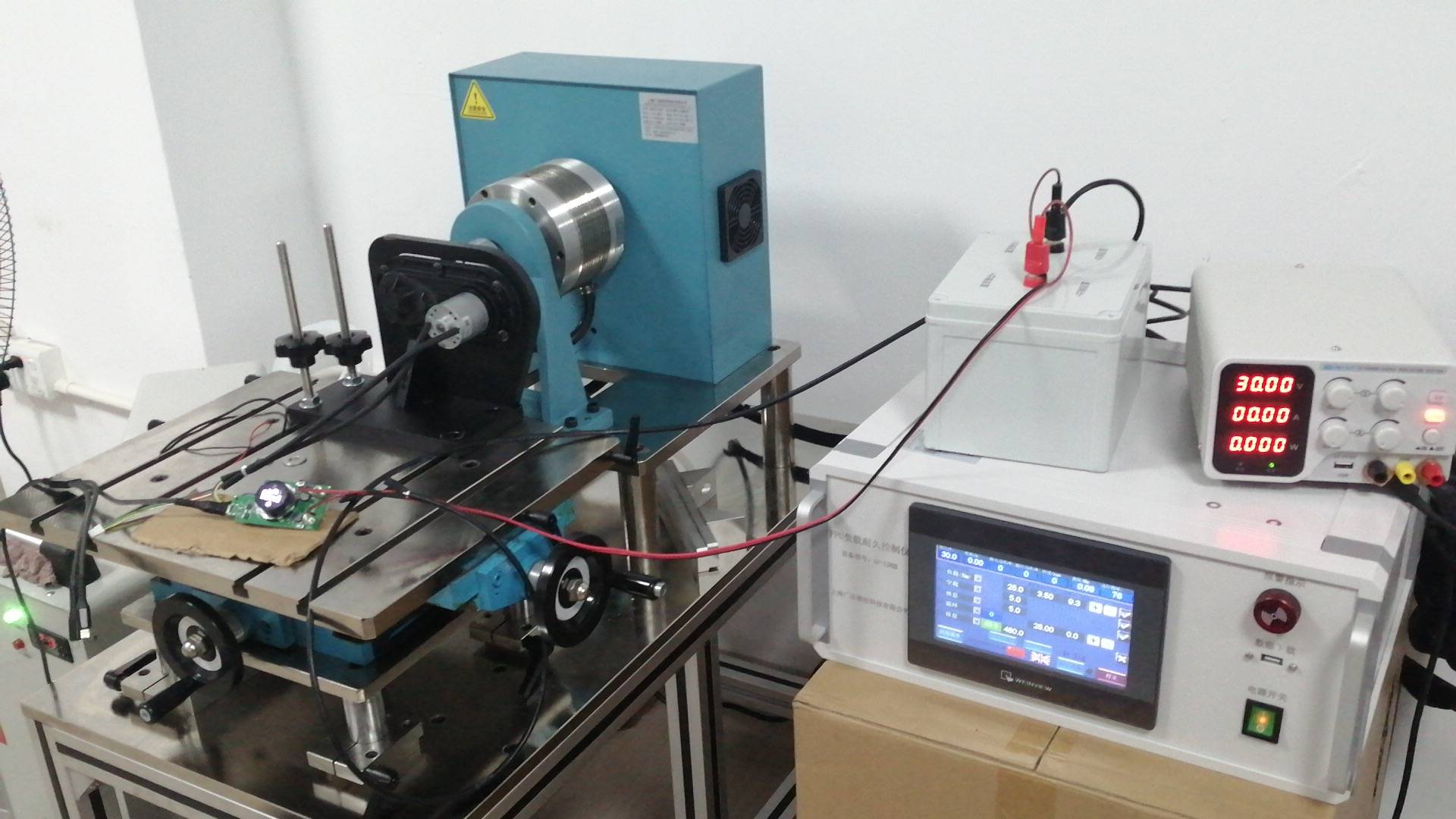
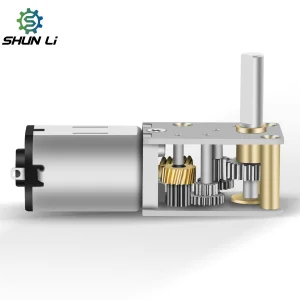
We manufacture gear components using automated hobbing and riveting machinery. Gear materials, teeth geometries, and lubricants are specified based on target lifetime and torque demands. Every gearmotor batch undergoes endurance testing on our dynamometer systems to verify mechanical integrity before shipment.
Yes. While we operate high-capacity automated production lines for large orders, we maintain a flexible manufacturing group to support smaller, highly customized runs. This allows engineering teams to evaluate prototype designs and run pilot productions before scaling up to full production volumes.
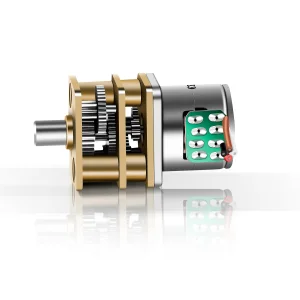
Explore our full line of micro stepper drives, heavy-duty worm gear motors, and specialized shaded pole solutions engineered for continuous duty.
 KINOV Motor